Patients Who Have Reclaimed Their Confidence
Real Experiences, Real Results
Real Experiences, Real Results
Our patient testimonials provide a powerful look into the life-changing experiences of those who have undergone our hair restoration treatments. These authentic stories highlight their satisfaction with the results and the positive impact on their confidence. Through their journeys, you’ll see how our advanced techniques and personalized care lead to exceptional outcomes, reinforcing our commitment to helping patients restore not only their hair but also their self-assurance.

Local Twin Cities television reporter Rob Olson came out publicly to praise the results of his life-changing hair transplant procedure.
“Looking at my pre-op photos…I actually forgot what I used to look like…and I had that look for so long. Thanks, Hair Transplant Specialists… I couldn’t be happier with the results!”
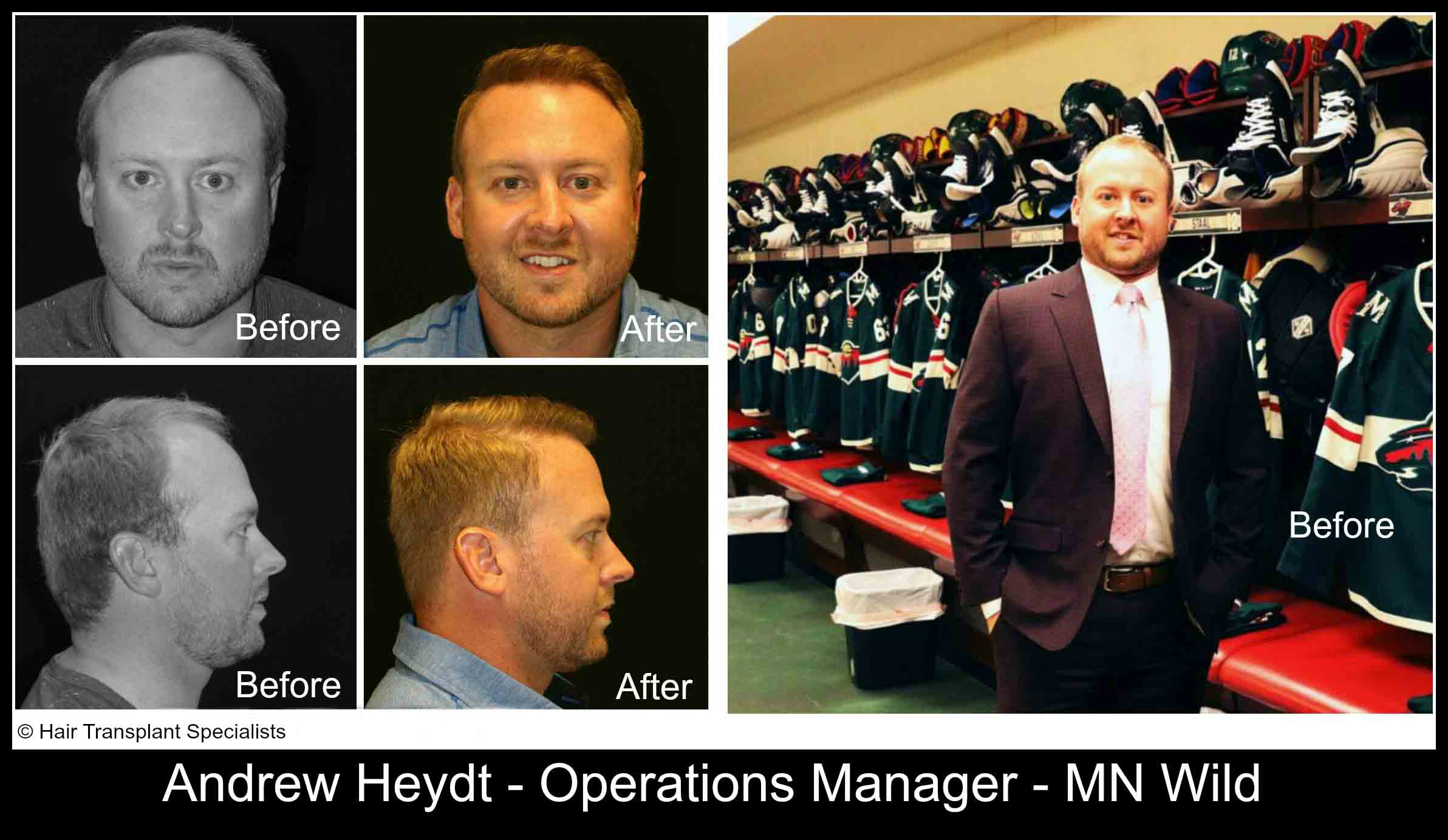
“ِWow! The results of my hair transplant are truly incredible…what a life changer! I would strongly recommend Hair Transplant Specialists!”

“I’ve never been secretive about having a hair transplant. I didn’t like losing my hair and now it’s great having my hair back! I would strongly recommend calling Hair Transplant Specialists today, they are absolutely awesome!”
Darryl Sydor
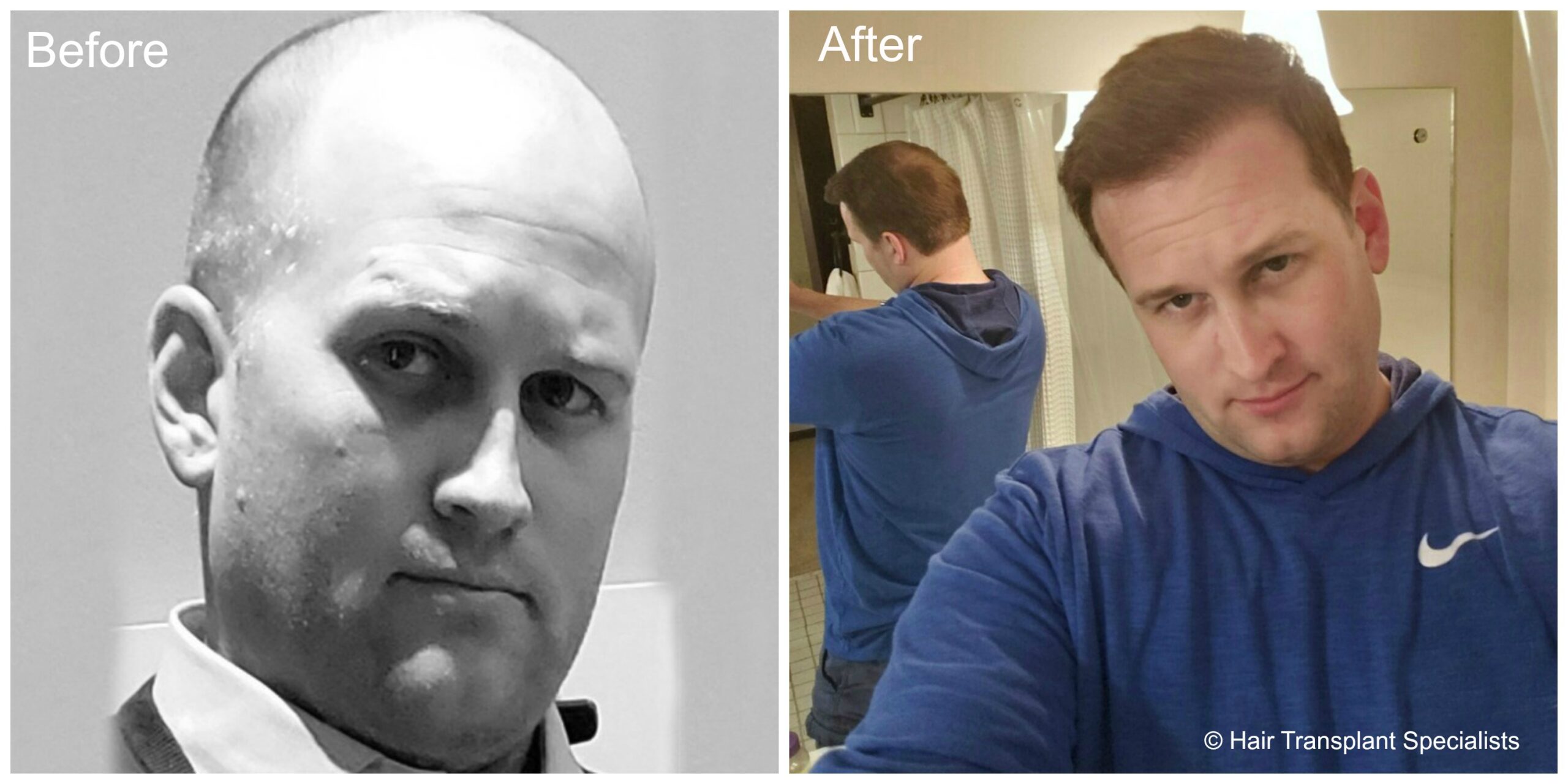
“I love it! I’m very happy with the results. I would’ve never imagined it would look this great! It’s awesome, I only wish I would have done it years ago!”

“I’ve been amazed at the difference it has made in my life. I wish I would have done this five years ago!”
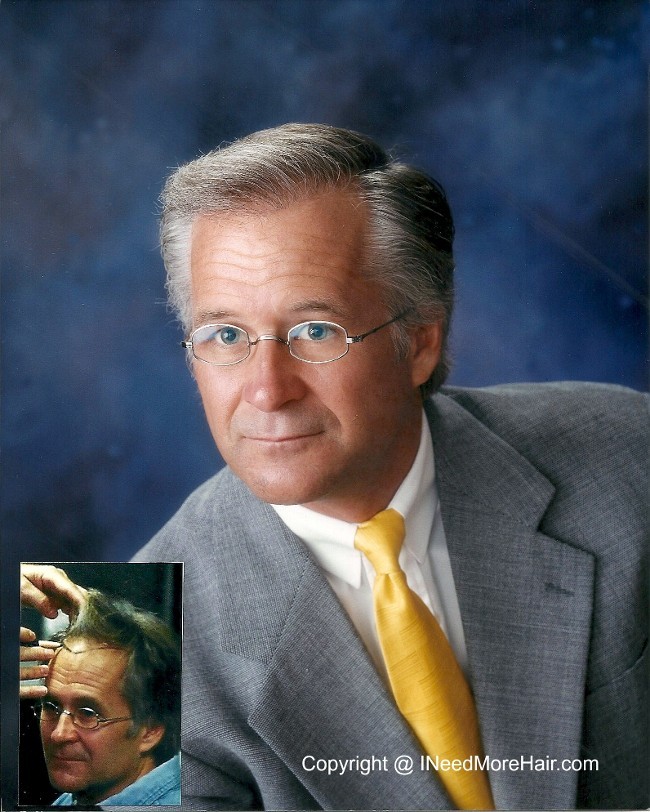
“Prior to me making the decision to get this done, my wife was a strong advocate for how much she loved me just the way I am.
After I had it done and hair started to grow in and look like it does now, she is the most excited about me having it done.”
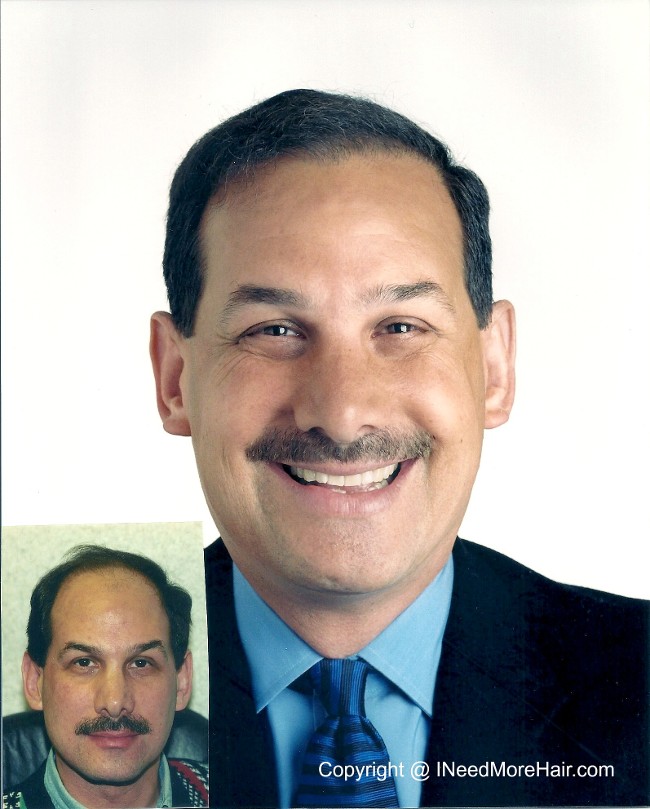
“It’s really changed my life, it’s given me so much more confidence. I feel great when I go anywhere; this has been a fantastic thing for me. I don’t have to think about my hair anymore!”
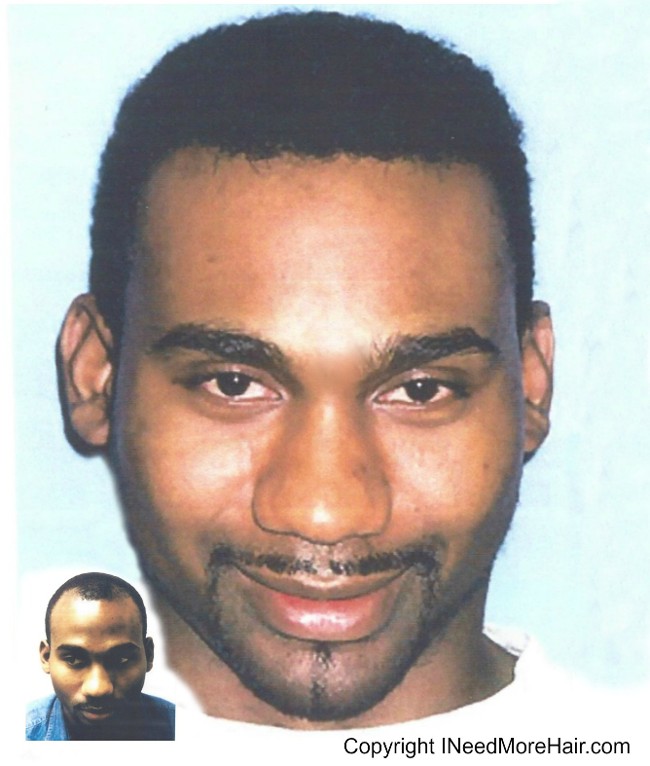
“I was driving one day and I heard a radio ad for INeedMoreHair.com. It was funny because I looked in the mirror and said I do need more hair. When I got home, I looked them up online and called for a consult. They not only gave me my hair back…they gave me my confidence back! I couldn’t be happier with my result. The consultation was informative and the procedure was a piece of cake.
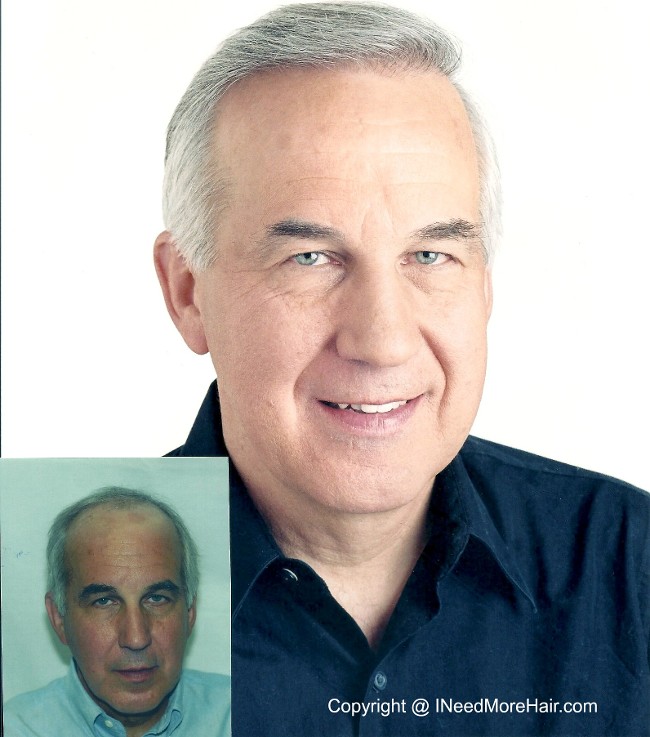
“When I first saw my hair growing, I was really excited. It’s an exciting time and I think I wore out the mirror in my bathroom.”
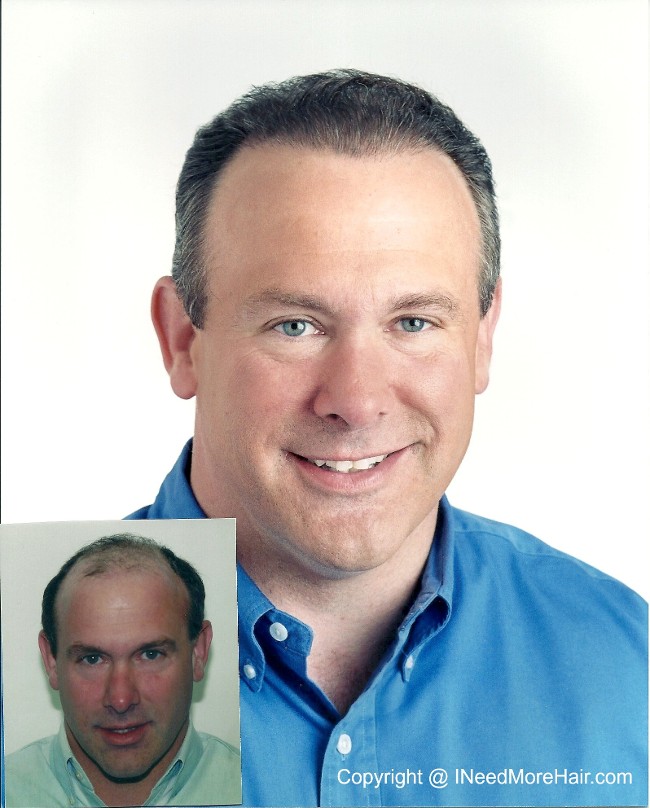
“As a public speaker, I can’t tell you the difference it’s made. It’s made a world of difference not being self-conscious of my hair. This is the way to go, this is the best thing I have ever done!”
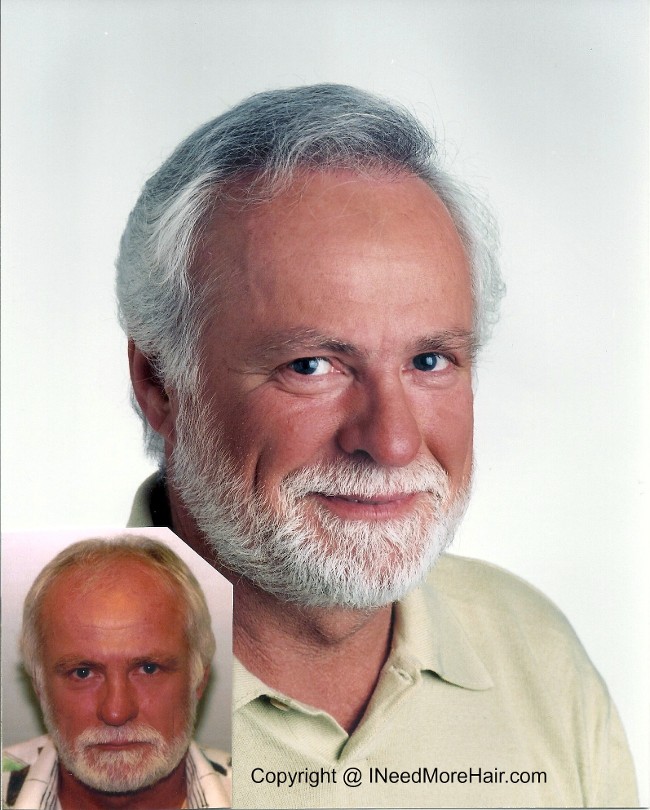
“I used to wear a hat as a subconscious way to cover my hair-loss. It’s enjoyable to have my hair restored and be able to comb my hair the way I want.”
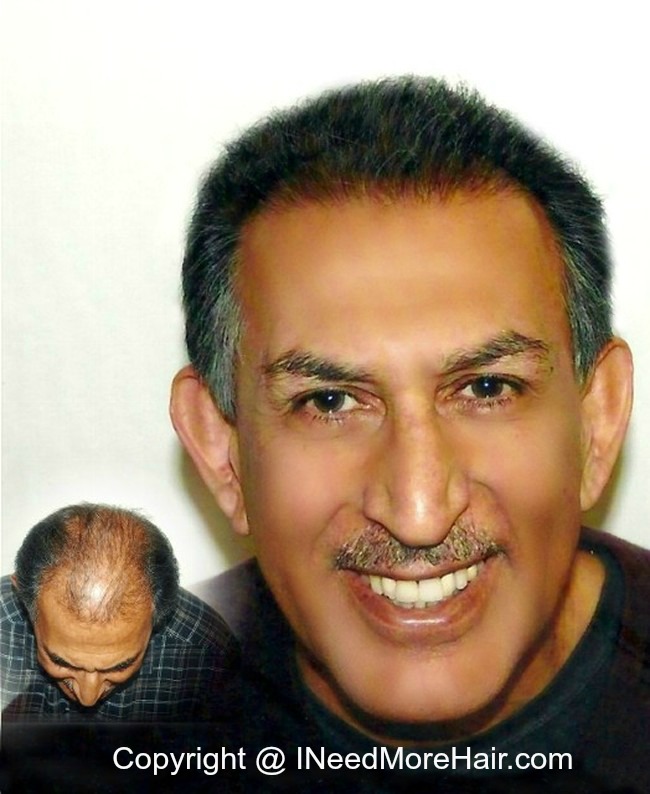
“I cannot believe the difference having more hair has made in my life. I asked myself: If my tooth fell out would I replace it? Absolutely! So why should my hair be any less important?
Thank you for giving me back a full head of hair! I only have one complaint…I wished I had done it sooner!”

Hair Transplant Surgeon Patient Testimonials: The 5-Stage Emotional Arc Most Clinics Never Show You
Introduction: Why Most Hair Transplant Testimonials Only Tell Half the Story
Most clinic testimonial pages present a carefully curated collection of polished 12-month results—gleaming before-and-after photos that skip the emotional complexity of what patients actually experience. This authenticity gap leaves prospective patients without the complete picture they need to make informed decisions.
The demand for unfiltered peer validation has never been higher. According to the 2025 ISHRS Practice Census, 95% of first-time hair restoration surgery patients in 2024 were between ages 20–35—a digitally savvy demographic that scrutinizes social proof before committing to any procedure. These younger patients expect transparency, not marketing polish.
This article introduces a 5-stage emotional arc framework that provides a more honest and complete lens for understanding what hair transplant patients genuinely experience. The voices featured throughout include NHL veteran Darryl Sydor and Twin Cities TV reporter Rob Olson, alongside composite insights from peer-reviewed research and platforms hosting thousands of verified patient reviews.
This is not a sales pitch. It is a longitudinal, emotion-first guide for anyone seriously considering hair restoration—written with the understanding that the global hair transplant market reached approximately $10.51 billion in 2025 and is projected to nearly triple by 2030. With demand surging, trustworthy social proof has become more critical than ever.
Understanding the 5-Stage Emotional Arc: A Framework Clinics Rarely Share
A single before-and-after snapshot cannot capture a 12–18 month journey. Hair restoration is not a single event—it is an extended process with distinct emotional phases that most testimonial content ignores entirely.
The clinical reality is straightforward: full growth typically takes 9–12 months post-procedure. Authentic testimonials that document this complete arc are rare, which makes them disproportionately trusted by prospective patients seeking genuine insight.
The five stages are:
- Pre-Surgery Anxiety — The decision-making phase filled with doubt and vulnerability
- Procedure Day and Immediate Aftermath — Relief, surreality, and the first doubts
- The Ugly Duckling Phase (Shock Loss) — The emotional valley most clinics hide
- Early Growth and Cautious Optimism — The turning point at months 4–8
- Long-Term Confidence Transformation — Results that last years, not months
Hair loss carries significant psychological weight. Peer-reviewed research confirms associations with depression, anxiety, and social withdrawal, making the emotional dimension of testimonials as important as the physical results. Understanding this arc helps prospective patients set realistic expectations—which research from the Journal of Cosmetic Dermatology confirms is the single most important predictor of post-procedure satisfaction.
Stage 1: Pre-Surgery Anxiety — The Decision No One Talks About Openly
Most patients arrive at their first consultation after months or years of watching their hair thin, trying medications, wearing hats, and avoiding mirrors. The vulnerability of finally seeking help is profound and rarely discussed in marketing materials.
The motivations run deeper than vanity. The ISHRS 2025 Census found that 90% of patients chose hair transplantation to “become or feel more attractive,” while 63% cited wanting to “appear younger to compete in the workplace.” These are deeply emotional, not merely cosmetic, motivations.
Rob Olson, a Twin Cities television reporter who underwent treatment at Hair Transplant Specialists, experienced this anxiety firsthand. As a public-facing professional, the pressure of on-camera appearance amplified his concerns about hair loss and his hesitation before committing to a procedure.
Common pre-surgery fears include: Will it look natural? Will people notice? What if it does not work? What about the cost? Statistics show that 37% of men report hair loss makes them concerned about aging, contextualizing why the decision to pursue a transplant is rarely made quickly or lightly.
Hair Transplant Specialists addresses this emotional vulnerability directly through a patient-centered philosophy—one that emphasizes the individual journey, not just the procedure. Their approach includes transparent pricing with no hidden fees and access to board-certified surgeons with a combined 100-plus years of experience, helping convert fear into informed confidence.
What Patients Say Before Their Procedure: Voices From the Research and Real Life
The pre-surgery emotional landscape, as characterized across thousands of verified reviews, reveals consistent themes: shame about hair loss, hope for transformation, skepticism about results, and relief at finding a trustworthy provider.
Genuine testimonials include honest pre-procedure emotional language—a marker of authenticity that distinguishes real patient voices from manufactured marketing copy. Patients who had previously undergone poor results elsewhere, or who feared the growing presence of unaccredited clinics, often describe heightened anxiety and emphasize the importance of surgeon credentials in their decision.
This concern is well-founded. According to the ISHRS 2025 Census, 59% of ISHRS members reported black-market clinic activity in their cities—up from 51% in 2021. Hair Transplant Specialists addresses these concerns through differentiators including board-certified surgeons, Dr. Sharon Keene’s tenure as former ISHRS President (2014–2015), and extensive educational content warning patients about the risks of unvetted providers.
Stage 2: Procedure Day and the Immediate Aftermath — Relief, Surreality, and the First Doubts
Procedure day brings a distinctive emotional texture: nervous excitement, relief that the decision is finally made, and the surreal experience of being awake during a 3–9 hour surgical session.
At Hair Transplant Specialists, the patient experience is designed to minimize anxiety. Two state-of-the-art surgical suites feature 65-inch flat-screen TVs, Netflix, Sonos music systems, and complimentary meals and beverages—amenities that make a long procedure feel manageable.
Darryl Sydor, a two-time Stanley Cup winner and former Minnesota Wild coach, brought a unique perspective to procedure day. Accustomed to high-pressure environments throughout his NHL career, his account of the experience provides valuable insight for prospective patients navigating their own procedure-day emotions.
The immediate post-procedure reality requires honest acknowledgment: visible signs persist for up to 10 days, including redness, scabbing, and the unfamiliar appearance of transplanted grafts before they settle. This triggers doubt in many patients—a psychological challenge that testimonials rarely address.
Most patients resume normal activities within a few days, but the emotional adjustment to a temporary change in appearance is distinct from physical recovery. The typical procedure involves 1,500 to 3,000 grafts—the 2024 average was 2,347 grafts per ISHRS data—helping contextualize the scope of what patients experience. Understanding hair transplant graft count calculation can help patients prepare for what to expect before their procedure.
Stage 3: The Ugly Duckling Phase — Shock Loss, Doubt, and the Emotional Valley Most Clinics Hide
This is the most emotionally difficult and least documented stage: the shedding, or “shock loss,” phase that occurs approximately 2–6 weeks post-procedure, when transplanted hairs fall out before regrowth begins.
Shock loss is a normal, expected part of the FUE and FUT process. However, patients who are not prepared for it frequently experience panic, regret, and a crisis of confidence in their decision. Most clinic testimonial pages skip this phase entirely, which means patients encounter it unexpectedly. Clinics that address it honestly build dramatically stronger trust and credibility as a result.
Hair Transplant Specialists prepares patients for this phase through post-procedure checkups and detailed recovery instructions—a concrete example of their commitment to guiding patients through every step of the journey.
The clinical timeline provides important context: hair growth begins at 3–4 months post-procedure, with full results at 9–12 months. Patients must navigate several months of uncertainty between shock loss and visible improvement.
A clinical study of 152 FUE patients tracked outcomes for one year. At the 12-month mark, 86.18% reported excellent results and 11.84% reported satisfactory results—a 97–98% overall satisfaction rate. Reaching that satisfaction, however, requires surviving Stage 3.
Research also confirms that patients with low pre-operative self-esteem trend toward worse postoperative satisfaction, underscoring why emotional support during this phase is clinically significant, not merely a courtesy.
What Patients Wish They Had Known: Honest Accounts of the Shedding Phase
Patients describing the shock loss experience use language that reflects regret, fear that the procedure failed, and relief upon receiving reassurance from their surgical team.
The role of surgeon communication during this phase proves critical. Patients who received proactive guidance from their clinic reported significantly lower anxiety during shock loss than those who were not warned. The “ugly duckling phase” narrative, when shared authentically in testimonials, becomes one of the most powerful trust-builders for prospective patients—because it signals that the clinic is not concealing the difficult parts of the process.
Stage 4: Early Growth and Cautious Optimism — The Emotional Turning Point at Months 4–8
The emotional shift when new hair growth becomes visible—typically between months 3–6—marks a turning point. Cautious optimism emerges, along with excitement and the beginning of a new relationship with one’s appearance.
Rob Olson’s experience during this phase included returning to on-camera work and noticing how colleagues, viewers, and he himself began responding differently to his appearance. The transformation extended well beyond the physical.
Results are not yet complete during Stage 4, and patients oscillate between excitement and impatience—a psychological state that authentic testimonials capture but polished marketing content does not.
Hair Transplant Specialists maintains a minimum 8-month waiting period between procedures for accurate placement assessment. This clinically sound policy also gives patients time to fully appreciate their Stage 4 progress before making additional decisions.
According to Medihair’s 2025 statistics, 55.7% of patients report a “very positive” emotional impact post-procedure and 39.5% report a “positive” impact—responses that typically crystallize during Stage 4.
Stage 5: Long-Term Confidence Transformation — The Results That Last Years, Not Just Months
By months 9–18, patients experience the complete transformation—physically and psychologically—that motivated their original decision.
Darryl Sydor’s long-term perspective demonstrates how the procedure affected his confidence, public presence, and daily life years after treatment. His willingness to speak openly about his experience provides valuable insight for others considering the same journey.
A 2024 study published in Aesthetic Plastic Surgery confirmed significant improvement in SF-36 Physical and Mental Health Scores after FUE—peer-reviewed evidence that the confidence transformation is measurable, not merely anecdotal.
The durability of results provides justified confidence: modern hair transplant surgery achieves 90–95% graft survival rates when performed by qualified professionals, with reputable clinics reporting failure rates below 2%.
The “wish I’d done it sooner” sentiment emerges as one of the most common organic patient reactions. Notably, the average number of surgeries needed to achieve desired results dropped from 3.4 in 2019 to just 1.4 in 2021, meaning today’s patients reach their goals faster than previous generations.
Hair Transplant Specialists’ proprietary Microprecision Follicular Grafting® technique and natural hair density after transplant provide the technical foundation that makes long-term results look natural—not artificial—years down the line.
What Multi-Year Patients Say: The Voices That Matter Most
Patients who return for second procedures or refer friends and family represent among the most credible testimonial sources. Repeat visits signal deep, sustained trust in the surgeon and long-term satisfaction with results.
Consistent themes across Hair Transplant Specialists’ patient testimonials include life-changing results, restored confidence, natural appearance, professional and attentive staff, and the near-universal “wish I’d done it sooner” sentiment.
A 2016 FUE satisfaction study recorded an average satisfaction rating of 8.3 out of 10 approximately three years post-treatment—a benchmark that contextualizes long-term patient sentiment within the broader industry.
Notably, female surgical patients increased from 12.7% to 15.3% between 2021 and 2024, yet most clinic testimonial libraries remain predominantly male—leaving an underserved audience with limited access to relatable long-term social proof.
How to Evaluate Hair Transplant Surgeon Patient Testimonials: A Practical Guide for Prospective Patients
Distinguishing authentic testimonials from manufactured marketing content requires attention to specific markers: procedural details, honest recovery timelines, unfiltered emotional language, and the presence or absence of compensation disclosures.
Prospective patients should look for testimonials that document all five stages—not just the final result—as a signal of clinic transparency and a patient-centered culture.
Verifying surgeon credentials remains essential. Board certification, ISHRS membership, and peer-reviewed publication records—such as those of Dr. Sharon Keene—are objective markers of expertise.
Multiple platforms offer different dimensions of authenticity. Verified reviews, Google reviews, and clinic-hosted video testimonials each provide unique perspectives. Video format in particular conveys emotion, texture, and credibility that static photos cannot.
With 59% of ISHRS members reporting black-market clinic activity in their cities in 2025, testimonials from surgeon-backed, accredited practices carry significantly more weight than unverified online reviews.
Red Flags and Green Flags in Hair Transplant Testimonials
Green flags include: named patients with verifiable identities, documented recovery timelines that include the shedding phase, specific graft counts and technique details, multi-year follow-up content, and honest acknowledgment of temporary setbacks.
Red flags include: exclusively polished end-result photos with no recovery documentation, anonymous testimonials with no verifiable details, suspiciously uniform language suggesting scripted responses, and no mention of shock loss or the adjustment period.
Hair Transplant Specialists’ use of publicly identifiable patients—such as Rob Olson, a Twin Cities TV reporter, and Darryl Sydor, a former NHL player and former Minnesota Wild coach—represents a gold standard in testimonial credibility. These individuals have professional reputations at stake and nothing to gain from false endorsement.
Conclusion: The Full Journey Is the Real Testimonial
Authentic hair transplant surgeon patient testimonials are not polished highlight reels. They are honest accounts of anxiety, doubt, patience, and ultimately, transformation.
Clinics that document the complete journey—including the difficult middle stages—build deeper trust with prospective patients than those that show only the final result. Peer-reviewed research consistently confirms that hair transplantation improves self-esteem, quality of life, and psychosocial functioning when performed by qualified surgeons and when patients enter the process with realistic expectations.
The 20–35 demographic’s demand for unfiltered peer validation is clear. The voices of real patients like Darryl Sydor and Rob Olson, combined with transparent clinical data, provide exactly the kind of social proof this audience requires.
Hair restoration is an investment in confidence and quality of life, not merely a cosmetic procedure. The most powerful testimonials honor the full human experience of that investment.
Ready to Start the Journey? Schedule a Consultation With Hair Transplant Specialists
Patients currently in Stage 1—navigating pre-surgery anxiety and research—can take the next step by scheduling a no-pressure consultation with the board-certified surgeons at Hair Transplant Specialists.
Consultations allow prospective patients to ask the questions that testimonials raise, review their specific hair loss pattern, and receive transparent pricing with no hidden fees. Financing options make the investment more approachable, with procedures available for as little as $150 per month.
Contact Information:
- Phone: (651) 393-5399
- Website: INeedMoreHair.com
- Location: 2121 Cliff Dr. Suite 210, Eagan, MN 55122
- Hours: Monday–Thursday 9:00 AM–5:00 PM, Friday 9:00 AM–3:00 PM, Saturday and Sunday by appointment
The patients whose stories fill this article all started exactly where today’s prospective patients are now. Their most common reflection, years later, is that they wish they had started sooner.

Hair Transplant Procedure Day by Day Experience: The Hour-by-Hour Patient Walkthrough
Introduction: What to Expect on Your Hair Transplant Procedure Day
The days leading up to a hair transplant procedure often bring a mix of anticipation and anxiety. Patients frequently wonder what the day will actually feel like, how long they will be in the chair, and whether the experience will be as daunting as they imagine. These concerns are completely normal and shared by thousands of patients each year.
This comprehensive guide provides a phase-by-phase, emotionally honest walkthrough of the entire procedure day, from the moment patients arrive at the clinic until they walk out the door. A hair transplant is a full-day outpatient procedure typically lasting 4 to 8 hours, and patients should plan their entire day around it.
The key phases covered include arrival and preparation, hairline design, anesthesia administration, extraction, a mid-day lunch break, implantation, and post-operative departure. Throughout the entire process, patients remain awake and comfortable under local anesthesia, maintaining control and awareness while experiencing minimal discomfort.
The procedure day is not a scary unknown. It is a predictable, manageable, and surprisingly comfortable experience when patients understand what to expect. At Hair Transplant Specialists (INeedMoreHair.com), every element of the procedure day has been designed around patient comfort and confidence.
Before You Arrive: Morning-of Preparation
The morning of surgery should begin calmly and intentionally. Patients are advised to eat a light, non-fatty breakfast before arriving. Nothing fried or heavy should be consumed, as this can cause discomfort during a lengthy procedure.
Caffeine should be avoided on procedure day because it can increase sensitivity and heighten anxiety. Blood thinners, including aspirin, ibuprofen, and Vitamin E supplements, should have been stopped two weeks prior to the procedure. The morning of surgery serves as a final checkpoint to confirm these instructions have been followed.
Clothing choices matter significantly. Patients should wear a loose, front-buttoning or zip-up shirt that can be removed without disturbing the scalp after the procedure. The night before, patients should wash their hair thoroughly without using any styling products. The scalp must be clean and product-free.
Transportation logistics depend on the anesthesia choice. Patients who receive only local anesthesia can typically drive themselves home, while those opting for sedation should arrange for a driver.
Patients should bring their phone and headphones for entertainment, a book or tablet, any prescribed pre-operative medications, and comfortable clothing for the journey home. The Hair Transplant Specialists location at 2121 Cliff Dr. Suite 210, Eagan, MN is conveniently situated near Doolittle’s Restaurant and Holiday Gas Station, making it easy to find.
Phase 1: Arrival and Check-In (30 to 60 Minutes Before the Procedure Begins)
The arrival experience sets the tone for the entire day. Patients check in at the front desk, are greeted by the care team, and begin transitioning from the outside world into the clinical environment.
Arrival anxiety is common and completely normal. The experienced care team at Hair Transplant Specialists understands this emotional reality and helps patients feel at ease from the moment they walk through the door.
The pre-procedure process includes completing paperwork, reviewing consent forms, and addressing any final medical questions. Patients receive a facility orientation, including an introduction to the surgical suite equipped with a 65-inch flat screen TV, Netflix access, and a Sonos music system.
Complimentary beverages are offered upon arrival, a small but meaningful comfort signal that establishes the patient-centered approach. Before-photos are taken at this stage for clinical records and future comparison.
The surgical team, including technicians with 15 to 18 or more years of experience, introduces themselves and explains their roles for the day. This transparency helps patients understand exactly who will be involved in their care.
Phase 2: Hairline Design and Scalp Mapping (The Collaborative Decision Moment)
Hairline design is one of the most important steps of the entire day, occurring before any extraction begins. The surgeon works directly with the patient, using facial proportions, bone structure, and age-appropriate aesthetics to map the new hairline.
This step is inherently collaborative. The patient must be awake and actively involved because these are permanent aesthetic decisions that cannot be made unilaterally by the surgeon. Hair Transplant Specialists uses natural follicular groupings of 1 to 4 hairs and a transitional zone of single-hair grafts at the front to create an undetectable, natural result.
Facial mapping and scalp analysis tools are increasingly used to aid precision in hairline planning. These technologies complement the surgeon’s expertise and artistic eye.
Seeing the proposed hairline drawn on the scalp for the first time is often described as both exciting and surreal. The donor area at the back and sides of the scalp is also assessed and mapped at this stage. For FUE procedures, the donor zone is trimmed to 1 to 2mm to facilitate extraction.
No cuts are made until the patient has approved the design. This is their hairline, and their input matters.
Phase 3: Local Anesthesia Administration (The Most Uncomfortable Moment and Why It Passes Quickly)
Honesty is essential here. The initial anesthesia injections are the most uncomfortable part of the entire procedure day. Local anesthesia, typically lidocaine with epinephrine, is the gold standard for hair transplants.
The injections feel like a series of small stings or pinches along the donor and recipient areas. These sensations are sharp but brief, typically lasting only seconds per injection. Some patients notice a brief heart-racing or adrenaline-rush feeling as epinephrine enters the bloodstream. This is normal, temporary, and passes within a minute or two.
Once the anesthesia takes effect within minutes, the scalp becomes fully numb. Patients feel pressure or movement but no pain. Some clinics use vibration devices or nitrous oxide during the initial numbing phase to reduce discomfort, and sedation options are available for highly anxious patients.
Top-up doses are administered every 2 to 3 hours throughout the day. These subsequent doses are significantly less uncomfortable because the scalp is already partially numb. The anticipation of anesthesia is almost always worse than the reality. Most patients report that once this phase is complete, the rest of the day is genuinely comfortable. You can read more about what to expect regarding hair transplant pain level from patients who have been through the process.
Phase 4: Extraction and Harvesting (The Long Middle: 2 to 4 Hours)
During the extraction phase, a micropunch tool with a diameter of 0.6 to 1.0mm is used to individually extract follicular units from the donor area for FUE procedures. The scalp is numb, so patients feel only mild pressure or vibration with no pain.
Patients are typically seated or lying face-down (prone) during FUE extraction so the surgeon can access the back of the scalp. Position changes require real-time cooperation, which is a key reason patients must remain awake throughout.
During this phase, patients can watch movies on the 65-inch TV, listen to music via the Sonos system, sleep lightly, or chat with the team. This phase can feel long and monotonous, and that boredom is completely expected and normal.
For FUT vs FUE procedures, the extraction involves removing a strip of scalp tissue rather than individual follicles. The patient experience differs slightly, with the surgeon working at the back of the head. According to the ISHRS 2025 Practice Census, first-time procedures required an average of 2,347 grafts, illustrating the technical scope of what the team accomplishes during this phase.
The surgical technicians play a critical role during extraction. They receive, sort, and hydrate the extracted grafts under magnification to protect graft viability. Hair Transplant Specialists’ technicians have 15 to 18 or more years of experience, making them among the most skilled graft handlers in the field.
The Mid-Day Lunch Break (A Comfort Feature That Signals a Quality Practice)
A lunch break is a standard, built-in feature of a full-day hair transplant at a quality clinic, typically lasting 30 to 45 minutes mid-procedure. Patients need nutrition and rest to stay comfortable and cooperative during a 4 to 8 hour procedure.
At Hair Transplant Specialists, this break includes complimentary meal service, beverages, and a chance to decompress. The break provides a natural mental checkpoint: the extraction is complete, the hardest part is behind the patient, and the finish line is in sight.
Patients can use this time to stretch, use the restroom, check their phones, and mentally prepare for the implantation phase. An unhurried, patient-centered practice builds this break into the day by design. Snacks and refreshments are also available throughout the day, not just during the formal lunch break.
Phase 5: Recipient Site Creation and Graft Implantation (2 to 4 Hours)
After the break, the procedure shifts to the implantation phase. The surgeon creates tiny recipient sites in the scalp at precise angles and densities. The surgeon’s artistry comes into play here, as the angle, direction, and depth of each incision determines how natural the final result looks.
Single-hair grafts are placed at the hairline for a natural, undetectable transition, while multi-hair grafts of 2 to 4 hairs are placed further back for density. Patients are typically seated upright or slightly reclined during implantation so the surgeon can access the recipient area.
The scalp remains numb, and top-up anesthesia is administered as needed. Patients continue watching TV, listening to music, or resting. Many patients feel a growing sense of excitement during this phase as they realize the procedure is progressing toward completion.
The surgical team works in coordinated roles, with some members preparing grafts while others place them. This well-choreographed process can be observed by curious patients. Graft placement is meticulous and unhurried at quality clinics because rushing this phase compromises results. The Microprecision Follicular Grafting technique used at Hair Transplant Specialists is specifically designed to optimize this critical phase.
Phase 6: Final Hour: Scalp Cleaning, Bandaging, and Departure Prep
In the final 30 to 60 minutes, the surgical team performs a final review of placement, cleans the scalp gently, and applies light bandaging. The recipient area appears red with tiny graft sites visible, and the donor area has small punch marks for FUE or a sutured incision for FUT. Minor pinpoint bleeding is completely normal.
A light dressing is applied, particularly over the donor area. Patients typically leave wearing a loose surgical cap or bandage. The emotional state at departure is often a mix of relief, mild soreness, and cautious excitement. Many patients describe feeling surprisingly good given what they just experienced.
Post-operative instructions are provided before departure, including sleeping with the head elevated at 45 degrees, avoiding touching or rubbing the scalp, and following the prescribed medication schedule. Patients receive a healing kit containing ointments, saline sprays, and care instructions tailored to their specific procedure.
Most patients who received only local anesthesia can drive themselves home. Hair Transplant Specialists provides comprehensive aftercare support including post-procedure checkups.
What to Expect in the Hours and Days After Leaving the Clinic
As the anesthesia wears off 1 to 4 hours after the final injection, patients typically experience a dull ache, mild tenderness, or tightness rather than sharp pain. The first night requires sleeping elevated at 45 degrees to manage swelling, and prescribed medications help manage discomfort.
Swelling peaks around days 2 to 3 and can migrate to the forehead and around the eyes due to gravity. This is normal and temporary. The first 5 days are the most critical for graft survival. Follicles need approximately 5 days to attach to blood vessels beneath the skin, and mechanical trauma from rubbing, tight caps, or accidental bumps poses the biggest risk.
Shock loss, where 70 to 80 percent of transplanted hairs shed between weeks 2 and 4, is a normal part of the hair growth cycle and not a sign of failure. Hair growth begins at 3 to 4 months post-procedure, with full results developing over 9 to 12 months. For a detailed breakdown of what to expect after leaving the clinic, the hair transplant recovery timeline provides a week-by-week guide.
Hair transplant success rates exceed 90 percent across the market, with top clinics reporting 97 to 100 percent satisfaction. Hair Transplant Specialists schedules post-procedure checkups to monitor healing and answer questions.
How Hair Transplant Specialists Makes Procedure Day Different
Hair Transplant Specialists distinguishes itself through patient-centered amenities including two state-of-the-art surgical suites, 65-inch flat screen TVs, Netflix, a Sonos music system, and complimentary meal and beverage service.
The clinical expertise behind the comfort includes board-certified surgeons such as Dr. Sharon Keene, former ISHRS President (2014 to 2015), and Dr. Roy Stoller, with combined team experience exceeding 100 years. The surgical technicians, with 15 to 18 or more years of experience, directly impact graft survival and final results.
The proprietary Microprecision Follicular Grafting technique delivers natural, undetectable results. The collaborative hairline design process ensures patients are active participants in decisions affecting permanent outcomes. Transparent, all-inclusive pricing with no hidden fees and financing options starting at approximately $150 per month make the procedure accessible.
The philosophy centers on the brand promise: “It’s not just about the procedure; it’s about YOU and your journey.”
Frequently Asked Questions About Hair Transplant Procedure Day
- How long will I be at the clinic?
- Typically 4 to 8 hours. Patients should plan for a full day.
- Will I feel pain during the procedure?
- The initial anesthesia injections are the most uncomfortable part. Once numb, patients feel pressure but not pain.
- Can I eat and drink during the procedure?
- Yes. Meals, snacks, and beverages are provided throughout the day at Hair Transplant Specialists.
- Can I watch TV or listen to music during the procedure?
- Yes. The clinic provides a 65-inch TV with Netflix and a Sonos music system.
- Do I need someone to drive me home?
- Only if sedation is chosen. Local anesthesia alone allows patients to drive themselves.
- What should I wear on procedure day?
- Loose, front-buttoning or zip-up clothing that will not disturb the scalp when removed.
- How will my scalp look when I leave?
- Red, with tiny graft sites visible and light bandaging. Minor pinpoint bleeding is normal.
- When will I see results?
- Hair growth begins at 3 to 4 months. Full results develop over 9 to 12 months.
Conclusion: The Procedure Day Is the Beginning of Your Transformation
The procedure day, while long, is a well-structured, manageable, and genuinely comfortable experience when patients choose the right clinic and know what to expect. The emotional arc of the day typically moves from arrival anxiety to relief after anesthesia, comfortable engagement during extraction, excitement during implantation, and cautious optimism at departure.
The procedure day is just the beginning. The real transformation unfolds over the following 9 to 12 months as new hair grows. Choosing a qualified, experienced surgical team is the single most important decision a patient makes, not just for results but for the day-of experience.
Every element of the procedure day at Hair Transplant Specialists is designed around the patient’s comfort, confidence, and long-term outcome. Thousands of patients have sat in that chair, felt the same anxiety, and left with a result that changed their lives. The first step is simply making the call.
Ready to Experience a Procedure Day Done Right? Schedule Your Consultation
Prospective patients are invited to schedule a consultation with Hair Transplant Specialists to discuss their specific hair loss pattern, candidacy, and procedure options.
Contact Information:
- Phone: (651) 393-5399
- Website: INeedMoreHair.com
- Location: 2121 Cliff Dr. Suite 210, Eagan, MN 55122
Office Hours:
- Monday through Thursday: 9:00 AM to 5:00 PM
- Friday: 9:00 AM to 3:00 PM
- Saturday and Sunday: By Appointment Only
The consultation is an opportunity to ask questions, see the facility, and meet the team with no commitment required. Financing options starting at approximately $150 per month help remove financial barriers to taking the first step.
The team at Hair Transplant Specialists has guided patients through every step of this journey for decades and stands ready to provide the same guidance to new patients. A virtual tour of the facility is available at INeedMoreHair.com for those who wish to explore before their visit.

Vitamin D Deficiency and Hair Loss: A Publishing Surgeon’s Clinical Case, the VDR Science Competitors Miss, and the 40–100 ng/mL Target That Changes Everything
Introduction: When a Single Blood Test Changes Everything
Approximately one billion people worldwide are vitamin D deficient. Yet most hair loss evaluations never include a vitamin D panel. This disconnect represents one of the most significant blind spots in modern hair restoration medicine.
Generic wellness content typically states that “vitamin D may help hair loss.” The real story, however, is far more specific, more nuanced, and more actionable. The connection between vitamin D deficiency and hair loss extends beyond simple association into the realm of receptor biology, precise serum targets, and documented clinical outcomes.
Dr. Sharon Keene, a publishing hair restoration surgeon and former President of the International Society of Hair Restoration Surgery (ISHRS), addressed this gap directly in her 2022 peer-reviewed case report published in Hair Transplant Forum International. The case documented a real patient with a serum 25(OH)D level of just 12 ng/mL who experienced measurable frontal hair regrowth on vitamin D3 supplementation alone.
This article goes beyond the association to explain the vitamin D receptor (VDR) science that competitors miss, the correct target range of 40 to 100 ng/mL, and the critical safety blind spot that almost no consumer content addresses: hypervitaminosis D as a paradoxical cause of hair loss.
Dr. Keene’s credentials distinguish her perspective from content aggregators who simply cite other people’s research. As a Platinum Follicle Award recipient and ISHRS Past President, she brings decades of clinical and research experience to this topic. By the end of this article, readers will understand whether their hair loss could be vitamin D related, what testing to request, what a clinically appropriate target looks like, and when professional evaluation is warranted.
Vitamin D Is Not Just a Vitamin: Understanding the Hormone Behind Hair Health
The first fundamental misconception to clarify is that vitamin D is technically a steroid hormone, not merely a dietary vitamin. This distinction matters profoundly for understanding its role in hair health.
The synthesis pathway begins when UV-B light triggers production in the skin. The liver then converts this to 25(OH)D, and the kidneys subsequently convert it to the active form, 1,25-(OH)2D3, also known as calcitriol.
As a steroid hormone, vitamin D influences gene expression across virtually every tissue in the body, including hair follicles. Its broad roles encompass immune modulation, anti-inflammatory activity, calcium metabolism, and cardiovascular and neurologic function. All of these have downstream relevance to hair follicle health.
For supplementation purposes, vitamin D3 (cholecalciferol) is the preferred form over D2 (ergocalciferol) because it raises blood levels more effectively and remains active longer in the body.
The mechanism through which vitamin D exerts its effects is the vitamin D receptor, or VDR. Understanding this receptor is essential to grasping why vitamin D deficiency impacts hair so significantly.
The VDR: The True Regulator of Hair Cycling That Competitors Miss
The vitamin D receptor is expressed in key hair follicle structures: the outer root sheath, hair matrix, and dermal papilla. This expression pattern places VDR at the center of hair biology.
Hair cycles through three phases: anagen (growth), catagen (regression), and telogen (shedding). VDR is critical for initiating the anagen phase after follicle morphogenesis. Research published in Life Science Alliance (2023) demonstrated that in VDR-knockout mice, the hair cycle is halted during the catagen stage, preceding alopecia. This establishes VDR as an essential regulator of hair follicle regression and cycling.
The most important nuance that competitor content consistently misses is this: VDR’s role in hair cycling is largely ligand-independent. This means the receptor itself, not just vitamin D levels, is critical for proper hair cycling. Foundational research from 2005 in Molecular Endocrinology established that mutations in the VDR cause alopecia by preventing anagen initiation, even when vitamin D blood levels are normal.
The clinical implication is significant. Serum testing alone does not tell the complete story. Even patients with normal vitamin D levels may have VDR-related hair cycling issues. Optimizing vitamin D levels is one lever in the system, but it is not the only lever.
How Vitamin D Deficiency Affects Different Types of Hair Loss
The landmark 2024 systematic review and meta-analysis published in Frontiers in Nutrition provides the largest evidence base assembled on this topic, covering 81 studies and 15,339 alopecia patients.
The prevalence data by alopecia type helps readers self-identify their risk:
- Alopecia areata (AA): 51.94% of patients had vitamin D deficiency
- Female pattern hair loss (FPHL): 50.38% of patients had vitamin D deficiency
- Male androgenetic alopecia (MAGA): 47.38% of patients had vitamin D deficiency
- Telogen effluvium (TE): 53.51% of patients had vitamin D deficiency
The odds ratio for AA patients is particularly striking. AA patients are nearly three times more likely to be vitamin D deficient compared to controls, with an odds ratio of 2.84 (95% CI: 1.89 to 4.26).
A 2024 Pakistani cohort study found that 79.17% of 120 diffuse hair fall patients were vitamin D3 deficient, with a mean serum level of just 17.33 ng/mL. This illustrates how prevalent this deficiency is across diverse populations.
Alopecia Areata and Vitamin D: The Autoimmune Connection
Alopecia areata involves the immune system mistakenly targeting hair follicles, disrupting the normal growth cycle. Vitamin D’s immunomodulatory role is directly relevant here. Active vitamin D helps regulate T-cell activity and suppress inflammatory cytokines, both of which are implicated in AA pathology.
The nearly three times higher odds of vitamin D deficiency in AA patients represents one of the strongest associations in the alopecia-vitamin D literature. While vitamin D optimization is a meaningful adjunct for AA patients, it is not a standalone cure. Professional evaluation and treatment planning remain essential.
Androgenetic Alopecia and Vitamin D: The DHT Interaction
Androgenetic alopecia (AGA) is primarily driven by DHT-induced follicle miniaturization and represents the most common form of hair loss in both men and women. A 2024 study published in ScienceDirect confirmed that 1,25-(OH)2D3 promotes hair regeneration, prolongs the anagen phase, enhances dermal papilla cell proliferation, and can counteract the inhibitory effects of DHT on hair growth via NLRP3/IL-1β and HIF-1α/IL-1β signaling pathways.
AGA patients who are vitamin D deficient often also have lower levels of zinc, copper, magnesium, selenium, and vitamin B12. This suggests a broader nutritional deficiency pattern that warrants comprehensive evaluation.
Addressing vitamin D deficiency in AGA patients is not a replacement for established treatments such as finasteride, minoxidil, or hair transplantation. However, it may be an important adjunct that is frequently overlooked.
Dr. Sharon Keene’s 2022 Case Report: Real Evidence From a Publishing Surgeon
Dr. Keene’s credentials establish why her clinical observations carry unique authority. As ISHRS Past President (2014 to 2015), Platinum Follicle Award recipient (2013), and peer-reviewed publishing surgeon, she brings a level of expertise that distinguishes her work from generic health content.
Her case report published in Hair Transplant Forum International (July/August 2022, Vol. 32, Issue 4), documented a patient with severe vitamin D deficiency (serum 25(OH)D of 12 ng/mL) and advanced androgenetic alopecia. The patient experienced significant frontal hair regrowth after vitamin D3 supplementation alone, without finasteride or topical minoxidil.
This case is clinically significant because it is not a population study or animal model. It is a documented, peer-reviewed human case with photographic evidence. The American Hair Loss Association has cited this study as “pivotal” evidence linking low vitamin D levels with increased hair shedding and poor follicular health.
Dr. Keene now routinely advises all patients to check for and treat vitamin D deficiency alongside any other recommended hair loss therapies. In her practice, she observes vitamin D deficiency in at least 30% of her patients, despite practicing in sunny Arizona where sun exposure is abundant.
As an integral team member at Hair Transplant Specialists, Dr. Keene brings this research-backed clinical approach to every patient evaluation.
The Safety Blind Spot: When Too Much Vitamin D Causes Hair Loss
The same nutrient that contributes to hair loss when deficient can also cause hair loss when taken in excess. This critical safety angle is almost entirely absent from competitor content.
Hypervitaminosis D occurs because vitamin D is fat-soluble and accumulates in body tissues. Excessive supplementation (typically from very high-dose supplements, not sun exposure) can elevate serum calcium and cause systemic toxicity.
Dr. Keene specifically documented a case of possible telogen effluvium caused by hypervitaminosis D. This is not a theoretical risk; it is a clinically observed outcome. Elevated calcium levels from vitamin D toxicity can disrupt normal physiological processes, potentially triggering diffuse hair shedding.
This is precisely why baseline blood testing must precede supplementation. Empiric high-dose vitamin D supplementation without knowing baseline levels is not safe. Most wellness articles recommend vitamin D for hair loss without any mention of this risk, potentially encouraging readers to self-supplement at high doses without medical supervision.
Dr. Keene’s protocol requires periodic blood sampling to guard against hypervitaminosis D, not just to confirm adequacy.
The Target Range That Changes Everything: Why 600 IU/Day Is Not Enough
Standard reference points define vitamin D deficiency as serum 25(OH)D below 20 ng/mL and insufficiency as 20 to 30 ng/mL. The NIH RDA is 600 IU per day for adults.
However, the NIH RDA is insufficient for deficient patients. This population-level minimum is designed to prevent rickets and bone disease, not to serve as a therapeutic dose for patients with documented deficiency.
Dr. Keene’s hair-specific clinical target is oral vitamin D3 supplementation to achieve and maintain serum 25(OH)D levels between 40 and 100 ng/mL, with periodic monitoring. The ISHRS official summary of her research endorses this target range.
The clinical rationale is straightforward. The 40 to 100 ng/mL range reflects the level at which vitamin D’s immunomodulatory, anti-inflammatory, and VDR-activating effects are optimally expressed. This is not merely the threshold to avoid deficiency.
Most competitor articles cite the generic NIH RDA of 600 IU per day without acknowledging that a patient with a serum level of 12 ng/mL requires a very different therapeutic approach. The appropriate supplementation dose varies significantly by individual baseline level, body weight, absorption capacity, and other factors. Physician-guided testing and dosing is essential rather than relying on generic supplement recommendations.
Who Is at Risk: Identifying Vitamin D Deficiency in Hair Loss Patients
Vitamin D deficiency affects approximately one billion people globally, according to StatPearls. This is not a niche problem.
Primary risk factors for vitamin D deficiency relevant to hair loss patients include:
- Limited sun exposure (indoor lifestyle, northern latitudes, winter months)
- Consistent sunscreen use
- Darker skin pigmentation (reduced UV-B absorption)
- Obesity (fat-soluble vitamin sequestration)
- Malabsorption conditions (Crohn’s disease, celiac disease, bariatric surgery)
- Aging (reduced skin synthesis efficiency)
- Certain medications
The counterintuitive finding from Dr. Keene’s practice bears noting: at least 30% of her patients in sunny Arizona are vitamin D deficient. Geography alone does not protect against deficiency.
A comprehensive hair loss blood panel should include serum 25(OH)D, ferritin, thyroid panel (TSH, free T3, free T4), zinc, and B12. The 25(OH)D serum test is the correct test for assessing vitamin D status, not the active form (1,25-(OH)2D3), which can appear normal even when stores are depleted.
The Clinical Protocol: Test First, Then Treat
Dr. Keene’s clinical protocol is straightforward: baseline blood testing must precede supplementation.
The clinical decision framework is as follows:
- If serum 25(OH)D is below 20 ng/mL (deficient): therapeutic supplementation is indicated
- If 20 to 30 ng/mL (insufficient): supplementation is appropriate
- If already above 40 ng/mL: high-dose supplementation is not warranted and could be harmful
Vitamin D3 (cholecalciferol) is preferred over D2 (ergocalciferol) because it is more effective at raising blood levels and has longer-lasting activity.
The monitoring protocol involves periodic re-testing, typically every three to six months during active supplementation, to confirm that levels are rising appropriately and to guard against hypervitaminosis D.
Vitamin D supplementation should be considered an adjunct to, not a replacement for, a comprehensive hair loss treatment plan that may include other medical, surgical, or non-surgical interventions.
Conclusion: The Vitamin D Deficiency and Hair Loss Connection Is Deeper Than Most Realize
Vitamin D is a steroid hormone with direct roles in hair follicle cycling. The VDR, not just vitamin D levels, is the critical regulator. Deficiency affects roughly half of all alopecia patients across major hair loss types. The correct therapeutic target of 40 to 100 ng/mL is far above the NIH minimum.
Excess vitamin D can also cause hair loss, making physician-guided testing and monitoring non-negotiable.
Dr. Keene’s case report anchors this article’s authority: a real patient, a documented outcome, published in a peer-reviewed journal by a surgeon with decades of clinical and research experience.
Vitamin D deficiency screening belongs in every hair loss evaluation, alongside ferritin, thyroid, and other nutritional markers. It is not a standalone solution but a potentially significant and frequently missed contributor.
As the science of hair follicle biology continues to evolve, the VDR’s role will likely become an even more important target for both diagnostic evaluation and therapeutic intervention. Understanding the science is the first step. Personalized evaluation by a qualified specialist is what translates knowledge into results.
Ready to Find Out If Vitamin D Deficiency Is Contributing to Your Hair Loss?
For those experiencing hair loss who have never had vitamin D levels tested, that single blood test could be a meaningful piece of the diagnostic picture.
Hair Transplant Specialists, with Dr. Sharon Keene as an integral team member, offers the rare combination of published research expertise and comprehensive clinical evaluation for hair loss patients. A consultation includes a thorough evaluation of potential contributing factors (including nutritional deficiencies), a review of appropriate testing, and a personalized treatment plan that may include vitamin D optimization alongside surgical or non-surgical hair restoration options.
The practice is located at 2121 Cliff Dr. Suite 210, Eagan, MN 55122. Contact the office at (651) 393-5399 or visit INeedMoreHair.com. Office hours are Monday through Thursday 9 AM to 5 PM, Friday 9 AM to 3 PM, and Saturday and Sunday by appointment.
Scheduling a consultation provides access to a physician-guided evaluation: personalized clinical assessment from a team with over 100 combined years of hair restoration experience, not generic supplement advice.
Hair loss is complex, but the right evaluation can reveal treatable contributors that many patients never knew to look for.

NHL Player Hair Transplant Results: The Stanley Cup Champion’s Guide to Professional Athlete Hair Restoration
Introduction: When a Two-Time Stanley Cup Champion Decides to Do Something About His Hair
Darryl Sydor knows what it takes to perform under pressure. With two Stanley Cup championships (Dallas Stars 1999, Tampa Bay Lightning 2004), two NHL All-Star selections (1998, 1999), and a successful tenure as assistant coach for the Minnesota Wild, his career was built on elite performance and constant public visibility. Yet even a player who competed at the highest level of professional hockey faced the same reality that millions of men confront: hair loss.
The decision to act on hair restoration reveals something important about the mindset of professional athletes. They understand that confidence, appearance, and mental readiness are interconnected. NHL players face a distinct set of challenges when pursuing hair restoration that no other demographic encounters. Helmets, locker rooms, high-cortisol athletic lifestyles, and demanding training schedules all factor into the equation.
This is not a polished before-and-after showcase. It is an honest, stage-by-stage account of what the athlete’s hair restoration journey actually looks like, from the decision moment through full results. Sydor chose Hair Transplant Specialists in Eagan, Minnesota, and his decision to go local over high-profile alternatives carries weight for sports-minded men across the region.
For men in their 30s through 50s, the demographic most statistically at risk for noticeable hair loss, a peer-credibility mirror from an NHL champion represents the most powerful form of social proof available.
Why NHL Players Face Accelerated Hair Loss: The Hockey-Specific Biology
Androgenetic alopecia, commonly known as male pattern baldness, serves as the foundational driver of hair loss. According to research published by the National Institutes of Health, this condition affects up to 50% of men worldwide, with onset occurring in almost all patients before age 40 and in many patients below age 30. This timeline directly overlaps with peak NHL career years.
The professional athlete lifestyle acts as an accelerant. Constant travel disrupts sleep cycles. Irregular recovery windows elevate baseline cortisol. The psychological pressure of competitive performance creates chronic stress. All of these factors are documented contributors to hair loss. A cross-sectional study of 1,080 participants revealed that 71.3% reported experiencing hair loss, with a significant relationship observed between stress levels and hair loss prevalence.
The helmet factor presents a concern specific to hockey. Prolonged daily helmet wear creates friction, heat, and scalp pressure that can exacerbate traction-related hair loss and accelerate thinning in already-susceptible follicles.
Nutritional demands also play a role. The extreme caloric and protein requirements of NHL-level training, combined with the metabolic stress of an 82-game season, can deplete micronutrients that support follicle health. Dr. Sharon Keene of Hair Transplant Specialists has published research on Vitamin D deficiency and its relationship to hair loss.
The statistics paint a clear picture: by age 35, approximately two-thirds of American men experience noticeable hair loss. By age 50, about 85% will have significantly thinning hair. Most NHL players confront this reality during or shortly after their playing careers, creating the unique challenge of managing hair restoration around an active schedule.
The Locker Room Reality: How NHL Culture Shapes the Hair Loss Conversation
Professional hockey culture is built on toughness, camaraderie, and a degree of ribbing. Hair loss is noticed, commented on, and rarely ignored in a team environment. This creates a paradox: the same environment that might generate jokes about thinning hair is also the environment where word-of-mouth about solutions spreads most powerfully.
The Boston Bruins provide a compelling example. Tuukka Rask learned about his hair restoration provider from teammates, and multiple players followed suit. Charlie McAvoy, David Backes, Sean Kuraly, Matt Grzelcyk, and Chris Wagner all trusted the same practice. Team culture accelerates adoption once one respected player leads.
The stigma shift is undeniable. The era of Wayne Rooney’s 2011 public hair transplant as a shocking admission has given way to a new normal where NHL, NFL, NBA, and soccer players openly share their experiences.
Darryl Sydor’s public endorsement of Hair Transplant Specialists represents an extension of this cultural shift. A two-time champion lending his name to a local Minnesota clinic is a peer recommendation, not a celebrity advertisement.
The Decision Moment: What Pushes a Professional Athlete to Take Action
The transition from playing career to public-facing roles often intensifies awareness of appearance. Coaching, broadcasting, and endorsement opportunities place athletes in front of cameras regularly. Professional athletes cite several key motivations for pursuing hair restoration: boosting confidence in public settings, maintaining marketability, counteracting stress-related hair loss, and achieving a permanent solution rather than temporary fixes.
The emotional weight of hair loss extends beyond vanity. Research on androgenetic alopecia and quality of life confirms significant psychological impact. According to Medihair’s 2025 statistics, 55.7% of hair transplant patients report a “very positive” emotional impact post-procedure and 39.5% report a “positive” impact.
Sydor chose a local Minnesota clinic over high-profile alternatives for practical reasons: proximity for follow-up care, trust built through regional reputation, and the value of working with board-certified surgeons who have combined 100+ years of practice. Hair Transplant Specialists’ educational content specifically warns about risks of low-cost overseas procedures, including overharvesting, unqualified practitioners, and lack of post-operative care. These concerns are amplified for athletes who cannot afford complications.
FUE vs. FUT: Why Active Athletes Almost Always Choose One Over the Other
FUE (Follicular Unit Extraction) extracts individual follicles with no linear scarring and minimal downtime. FUT (Follicular Unit Transplantation) uses a strip method for high graft yield but involves a linear scar and extended recovery.
FUE dominates as the choice for athletes. No linear scarring means no visible evidence under short hair or a shaved head. The minimal downtime is far more compatible with athletic schedules than FUT’s extended restrictions. FUT patients must manage a recovery window with neck and shoulder restrictions, a challenging constraint for any active hockey player or coach. For a detailed comparison of both approaches, the FUE vs. FUT breakdown covers the key differences athletes should understand before making a decision.
Hair Transplant Specialists employs their proprietary Microprecision Follicular Grafting technique and natural hairline design philosophy. This approach uses transitional zones with single hair grafts in front and natural follicular groupings of 1 to 4 hairs, avoiding the “pluggy” appearance that can result from inferior techniques. The typical graft range is 1,500 to 3,000 grafts per session.
The Hockey-Specific Recovery Playbook: What No One Tells Athletes Before They Book
The First 72 Hours: Protecting the Grafts When You’re Used to Full-Speed Training
Grafts are most vulnerable in the first 72 to 96 hours as they establish initial blood supply. Any physical disruption, sweat, or pressure can dislodge them.
Wearing a hockey helmet post-procedure is not possible during the initial healing phase. This is a non-negotiable recovery requirement that athletes must plan around.
The scalp in days 1 through 3 shows redness, minor swelling, and small scabs forming around each graft site. This temporary appearance requires discretion in public or team settings.
Hair Transplant Specialists offers comfort measures during the 4 to 8 hour procedure itself: 65-inch flat screen TVs, Netflix, Sonos music system, and complimentary beverage and meal service. Patients must sleep with head elevated to minimize swelling. The procedure is performed while patients are awake and relaxed, not under general anesthesia, and most can resume light activities within a few days.
Weeks 1 to 4: The “Ugly Duckling” Phase Every Athlete Must Mentally Prepare For
Shock loss occurs when transplanted hairs typically shed in the first 2 to 6 weeks before the follicles enter a growth phase. This is normal, expected, and temporary, but visually alarming if the patient is not prepared.
This phase is psychologically challenging for athletes. Competitors are accustomed to seeing linear progress from training. The temporary appearance of less hair than before runs counter to the athletic mindset of measurable improvement.
The exercise timeline for this phase allows light walking by days 3 to 5, light cardio by week 2, jogging by week 3, and full gym workouts by week 4. Contact sports and helmet wear remain restricted.
Increased blood flow and sweating during exercise can irritate healing grafts and increase infection risk. Athletes must modify training intensity and prioritize scalp hygiene during this window. A 2023 study published in the Journal of Dermatologic Surgery found that 87% of FUE patients reported returning to their normal routine within 10 days.
Months 3 to 6: The Growth Phase and Returning to Full Athletic Activity
Contact sports are cleared at a minimum of 8 weeks post-procedure, with full graft integration taking 8 to 12 weeks. Most athletes can return to full hockey activity by the end of month 2.
Visible new hair growth emerges at months 3 to 6 as transplanted follicles establish blood supply and enter the active growth phase. This is when the investment begins to become visually apparent. Athletes looking for a detailed breakdown of what to expect can review the hair transplant results timeline month by month to set realistic expectations at each stage.
Once cleared for contact sports, helmet wear is no longer a concern. The grafts are fully integrated and the scalp has healed completely.
The optimal approach for active players or coaches is to schedule the procedure at the start of the off-season, allowing the full 8-week contact sport restriction to pass before training camp.
Months 9 to 18: Full Results and the Long-Term Payoff
Final density and complete results are typically achieved between months 9 and 12. The transplanted hair behaves identically to native hair, growing, cutting, and styling normally.
Unlike hairpieces or pharmaceutical-only solutions, transplanted follicles are resistant to DHT (the hormone responsible for androgenetic alopecia) and provide a permanent, natural-looking result. Hair transplant success rates are well over 90% in the overall market, often reaching 100% at top clinics.
Sydor’s testimonial reflects the years-after-treatment vantage point, demonstrating how the procedure affected his confidence, public presence, and daily life well beyond the recovery phase. Hair Transplant Specialists requires a minimum 8-month waiting period between procedures for accurate placement assessment. Non-surgical maintenance options like Alma TED, PRP, and finasteride can support long-term results.
Why Darryl Sydor Chose Hair Transplant Specialists in Eagan, Minnesota
As a former Minnesota Wild assistant coach and established Twin Cities figure, Sydor’s decision to choose a local clinic was both practical and a statement of trust in regional expertise.
Hair Transplant Specialists features board-certified surgeons including Dr. Sharon Keene (former President of ISHRS, 2014 to 2015; Platinum Follicle Award winner; extensive international publication record), Dr. Roy Stoller (author and examiner for board certification exams), and Dr. Paul Rose. Collectively, they represent combined 100+ years of practice. The surgical technicians bring 15 to 18+ years of experience each.
The facility offers two state-of-the-art surgical suites with comfort amenities designed to make a 4 to 8 hour procedure as manageable as possible. Pricing is described as “the most competitive in the Twin Cities,” with financing available from as little as $150 per month. Men in their 50s and beyond can explore whether they are strong candidates through the hair transplant men 50s senior candidates resource.
The average U.S. hair transplant costs $4,400 to $15,000+, but the documented risks of low-cost overseas clinics represent a far greater cost for athletes who depend on their appearance. Twin Cities TV reporter Rob Olson also publicly endorses the clinic, reinforcing its credibility with a Minnesota audience.
The Broader NHL Hair Transplant Landscape: Sydor Isn’t Alone
Multiple NHL players have publicly undergone hair restoration: David Backes, Bryan Bickell, Tuukka Rask, Sean Kuraly, Chris Wagner, Matt Grzelcyk, and Charlie McAvoy. The team-culture dynamic demonstrates how trust and word-of-mouth within hockey culture drives adoption more powerfully than advertising.
NFL players, soccer players, and athletes across sports have publicly normalized hair restoration. The global hair transplant market reached approximately $10.51 billion in 2025 and is projected to reach $25.72 billion by 2030. Approximately 87.3% of hair transplant patients are men.
The question for hockey-minded men is no longer “Is this something athletes do?” but rather “When and where is the right time and place for me?” The dedicated resource on hair transplant for athletes in Minnesota addresses the sport-specific considerations in greater depth.
The Psychological Edge: How Hair Restoration Connects to Athletic Confidence
The well-documented link between self-confidence and competitive performance is familiar to athletes. Mental state directly affects physical output, and appearance-related confidence is a legitimate component of that equation.
NHL players, coaches, and alumni operate in a high-visibility environment. Media appearances, endorsement opportunities, and fan interactions all benefit from confidence in appearance. The data supports this: 95.2% of hair transplant patients report either a “very positive” or “positive” emotional impact post-procedure.
Athletes routinely invest in performance optimization. Hair restoration fits naturally into this framework as an investment in confidence and quality of life.
Conclusion: The Stanley Cup Champion’s Lesson for Every Sports-Minded Man
Darryl Sydor competed at the highest level of professional hockey, won two Stanley Cups, and still faced the same hair loss reality that affects two-thirds of men by age 35. His decision to act is a peer-credibility signal.
NHL players face unique hair loss accelerators. FUE is the clear choice for active athletes. The recovery timeline is manageable with proper off-season planning. Full results at 9 to 12 months deliver a permanent, natural-looking outcome.
The era of silence around male hair restoration is over. From Sydor in Minnesota to multiple Bruins players in Boston, professional athletes are leading the normalization of a procedure that delivers documented psychological and confidence benefits.
Hair restoration is not a cosmetic indulgence. It is an investment in confidence, public presence, and quality of life that 95%+ of patients describe as positive or very positive.
Ready to Start Your Own Hair Restoration Journey? Take the First Step Today
Hair Transplant Specialists in Eagan, Minnesota welcomes consultations for sports-minded men ready to explore their options. The first step is a conversation, not a commitment.
Contact Information:
- Phone: (651) 393-5399
- Website: INeedMoreHair.com
- Location: 2121 Cliff Dr. Suite 210, Eagan, MN 55122
Office Hours:
- Monday through Thursday: 9:00 AM to 5:00 PM
- Friday: 9:00 AM to 3:00 PM
- Saturday and Sunday: By Appointment Only
Darryl Sydor chose this clinic. For hockey fans, competitive athletes, and sports-minded men who want results they can trust, the path is clear. Financing from as little as $150 per month makes the investment approachable. A virtual tour of the facility is available at INeedMoreHair.com for those who want to explore the state-of-the-art surgical suites before their first visit.

Hair Restoration Clinic Eagan Minnesota Reviews: What 17+ Verified Patients, a Stanley Cup Champion, and a Twin Cities News Anchor Actually Said
Hair restoration represents one of the most consequential medical decisions a person can make. The procedure carries significant financial weight, emotional stakes, and permanent implications for personal appearance. In this landscape, a single credible review can determine whether a prospective patient books a consultation or continues searching.
This article serves as a structured review intelligence report, aggregating, categorizing, and contextualizing real patient feedback from Google, RealSelf, and BirdEye alongside two named high-profile endorsements. The data foundation includes a 4.6-star rating across 17+ verified reviews and a 4.5-star rating across 21 BirdEye reviews for Hair Transplant Specialists in Eagan, Minnesota.
The emotional weight of hair loss decisions cannot be overstated. A 2021 meta-analysis found moderate emotional wellbeing impairment from androgenetic alopecia, while a 2025 study revealed that 46% of hair loss patients experience depression symptoms. For readers evaluating their options, this report examines five validated patient experience dimensions, followed by a competitive benchmark against other Eagan-area providers.
Why Eagan-Area Patients Are Actively Researching Hair Restoration Right Now
The global hair restoration services market is valued at USD 8.19 billion in 2026, projected to reach USD 12.52 billion by 2031 at an 8.84% CAGR. North America leads with a 40% global market share, and the United States alone held 80.33% of North American revenue in 2023. Hair restoration is not a niche decision; it is a mainstream healthcare choice.
A significant demographic shift is underway. According to the 2025 ISHRS Practice Census, 95% of first-time hair restoration surgery patients in 2024 were between ages 20 and 35. Younger Twin Cities residents are actively entering this market. The female patient surge is equally notable: female surgical patients increased 16.5% from 2021 to 2024, signaling that hair restoration is no longer a predominantly male concern.
The statistics are sobering. Approximately 50 million men and 30 million women in the United States are affected by androgenetic alopecia. By age 50, nearly 50% of men and women show visible hair loss.
Reviews matter more than ever because the market carries real risks. The ISHRS reports that 59% of members identified black market hair transplant clinics in their cities (up from 51% in 2021), with repair cases from unvetted providers rising to 10%. Verified, board-certified local reviews serve as a critical trust differentiator.
About Hair Transplant Specialists: The Eagan Clinic Behind These Reviews
Hair Transplant Specialists operates at 2121 Cliff Dr., Suite 210, Eagan, MN 55122. The clinic’s website is INeedMoreHair.com, and prospective patients can reach the office at (651) 393-5399.
The surgical team includes Dr. Sharon Keene, former ISHRS President (2014-2015) and Platinum Follicle Award winner; Dr. Roy Stoller, with over 20 years of experience and service as a board certification examiner; and Dr. Paul Rose, board-certified and trained with elite aesthetic surgeons worldwide. The team’s combined experience exceeds 100 years, and surgical technicians bring 15 to 18+ years of individual expertise.
The clinic offers FUE, FUT with the proprietary Microprecision Follicular Grafting® technique, facial hair transplants, Scalp Micropigmentation, Alma TED, PRP, and non-surgical options. Two state-of-the-art surgical suites feature comfort amenities including 65-inch TVs, Netflix, Sonos music systems, and complimentary meals during procedures.
The clinic has been featured in Eagan City Lifestyle magazine, providing local editorial credibility beyond review platforms. Financing options start at approximately $150 per month, with transparent, all-inclusive pricing and no hidden fees. Free consultations are available.
How These Reviews Were Collected and Categorized
The reviews analyzed in this report come from three independent third-party platforms: Google, RealSelf, and BirdEye. Each platform maintains distinct verification standards. The aggregate data shows a 4.6-star rating across 17+ reviews on RealSelf and Google, plus a 4.5-star rating across 21 reviews on BirdEye.
For context, global satisfaction benchmarks indicate that 90 to 95% of hair transplant patients report satisfaction, with an average score of 8.3 out of 10 at the three-year follow-up mark.
The thematic categorization framework identifies five patient experience dimensions through content analysis of recurring language patterns across all verified reviews. Video testimonials are also hosted at INeedMoreHair.com/video, providing a multimedia social proof layer.
The two named public endorsements from Darryl Sydor and Rob Olson receive separate treatment due to their verifiable public identity and higher evidentiary weight. Notably, 44% of hair transplant patients planned to tell others about their procedure per the 2025 ISHRS Practice Census, validating organic review generation as a reliable signal of authentic experience.
The 5 Patient Experience Dimensions: What Verified Reviewers Actually Measured
Five distinct dimensions emerged from the review content itself, not from the clinic’s marketing language. This independence gives them credibility. The dimensions are: emotional and life-changing impact, surgical staff professionalism and personability, intake coordinator knowledge and responsiveness, pricing transparency and financing accessibility, and individualized patient-centered care.
Dimension 1: Emotional Impact and Life-Changing Results
This is the most frequently cited theme across all platforms. Patients describe results as “life-changing” and consistently reference restored confidence as the primary outcome.
Research supports this narrative. Hair loss affects self-esteem in up to 62% of men. The 2025 cross-sectional study of 123 hair loss patients found 46% had depression symptoms correlated with advanced hair loss stages. A 2021 meta-analysis of 41 studies with nearly 8,000 participants found that the emotional burden from androgenetic alopecia (worry, self-esteem loss, and social anxiety) consistently outweighs physical symptoms.
One recurring sentiment stands out across reviews: “I wish I had done this sooner.” This phrase signals not just satisfaction but regret about delayed action. Prospective patients are not just purchasing a procedure; they are purchasing a confidence outcome. Reviews that validate this outcome reduce the perceived risk of the investment.
Dimension 2: Surgical Staff Professionalism and Personability
Reviewers consistently praise the surgical team’s combination of technical expertise and interpersonal warmth. Specific review language highlights the team making patients feel “at ease” during procedures that last 3 to 9 hours.
The credentials behind the praise are substantial: Dr. Keene’s former ISHRS presidency and Platinum Follicle Award, Dr. Stoller’s role as a board certification examiner, and surgical technicians with 15 to 18+ years of experience. Patients specifically mention the comfort amenities as enhancing the overall experience.
BirdEye reviews specifically praise large-graft procedures (3,800+ FUT grafts) as evidence of technical capability, demonstrating that reviewers recognize both bedside manner and surgical skill.
Dimension 3: Intake Coordinator Knowledge and Responsiveness
A notable and underreported review theme involves the pre-procedure intake process. Patients praise coordinators who are knowledgeable, responsive, and non-pressuring. This dimension is particularly significant for prospective patients who have had negative experiences with high-pressure sales consultations elsewhere.
Reviewers describe feeling educated rather than sold to. The free consultation offering, free patient education booklet, and virtual facility tour serve as structural supports for this experience.
Dimension 4: Pricing Transparency and Financing Accessibility
BirdEye reviewers specifically cite affordable pricing compared to Twin Cities competitors and accessible financing as decision-making factors. The clinic’s financing from approximately $150 per month removes a critical conversion barrier.
Reviewers praise the all-inclusive, no-hidden-fees pricing model. Hair restoration is a high-cost procedure (often $5,000 to $15,000+) where pricing ambiguity creates anxiety. The clinic’s claim of “the most competitive in the Twin Cities” is being independently validated by patient reviews.
Dimension 5: Individualized, Patient-Centered Care
Reviewers consistently describe feeling treated as individuals rather than procedure numbers. This theme directly validates the clinic’s stated mission: “It’s not just about the procedure; it’s about YOU and your journey.”
Review language references personalized hairline design consultations, individualized treatment planning, and post-procedure follow-up care. The natural hairline design philosophy (transitional zones with single hair grafts in front, using natural follicular groupings of 1 to 4 hairs) is mentioned by technically informed reviewers as evidence of surgical artistry.
This dimension resonates particularly with female patients, who represent a growing segment and who respond strongly to the non-clinical, journey-oriented care model.
The High-Profile Endorsements: What Darryl Sydor and Rob Olson Actually Said
Two named public endorsers provide a separate evidentiary category from anonymous reviews. Their verifiable public identities carry higher credibility weight.
Darryl Sydor is a former NHL player, two-time Stanley Cup winner, and former Minnesota Wild coach. His endorsement emphasizes how hair restoration improved his professional presence and public confidence. As a figure with high local sports credibility and a public-facing professional identity, his testimonial resonates with prospective patients in similar roles. The clinic’s work with hair transplants for athletes reflects a pattern of serving high-performance individuals with demanding public profiles.
Rob Olson is a Twin Cities television reporter whose on-camera appearance is directly tied to his professional credibility. He stated he “couldn’t be happier” with his results. This straightforward endorsement from someone whose livelihood depends on his on-screen appearance carries significant weight.
These endorsements matter beyond celebrity appeal. They provide verifiable reference points for prospective patients who cannot yet see their own results. The clinic has also treated Grammy-winning artists, major film actors, and television personalities, establishing a pattern of high-profile trust.
How Hair Transplant Specialists’ Review Profile Compares to Other Eagan-Area Clinics
The following competitive benchmark contextualizes what makes the Hair Transplant Specialists review profile distinctive.
Evolve Hair Clinic (Eagan): SMP Specialization Without Local Testimonial Depth
Evolve Hair Clinic differentiates on SMP combined with FUE and maintains a multi-city national presence. However, the clinic lacks prominent local patient testimonial content or celebrity endorsements specific to the Twin Cities market. Hair Transplant Specialists also offers SMP (up to 14,000 micro-insertions per session, 75-85% scar improvement), narrowing the service gap.
Other Twin Cities Providers: Established Track Records, But Less Structured Review Analysis
Some competing Twin Cities providers have operated for decades and offer broad service portfolios. However, these clinics do not prominently feature structured, data-driven review analysis pages. Their testimonial content tends to be static, without thematic analysis, sentiment breakdowns, or dimensional framing.
National Chains: Brand Awareness Without Local Trust Depth
National hair restoration chains dominate brand awareness but are widely perceived as impersonal. Generic review pages without local specificity, named endorsers, or thematic analysis fail to close the trust gap for late-stage decision-makers. Hair Transplant Specialists’ community-embedded identity provides a local trust signal that no national chain can replicate.
Addressing Common Questions Late-Stage Decision-Makers Have Before Booking
Are the Results Really Natural-Looking?
The most common fear involves the “pluggy” or “clumpy” appearance associated with outdated techniques. The Microprecision Follicular Grafting® technique features transitional zones with single hair grafts in front and natural follicular groupings of 1 to 4 hairs. Reviewer language specifically praises natural appearance as a validated outcome. Graft survival rates reach 90 to 97% when performed by experienced surgeons.
How Long Before Results Are Visible?
Hair growth begins 3 to 4 months post-procedure, with full results visible at 9 to 12 months. The Alma TED non-surgical option shows results within one month. The eight-month minimum waiting period between procedures ensures accurate placement and optimal outcomes. Patients can review realistic before and after expectations to better understand the full timeline.
Is Hair Restoration Affordable for Most Patients?
Financing from approximately $150 per month makes the procedure accessible to a broader demographic. The all-inclusive, no-hidden-fees pricing model protects against surprises. Free consultations allow prospective patients to receive personalized pricing information before committing.
What Do Patients Wish They Had Known Before Their Procedure?
The most common sentiment is “I wish I had done this sooner.” Visible signs persist for up to 10 days post-procedure, and most patients resume activities within a few days. Procedures last 3 to 9 hours (typically 4 to 8 hours) and are performed while patients are awake. The free patient education booklet helps manage expectations before the procedure date. Reviewing the week-by-week healing timeline can further prepare patients for what to expect after surgery.
Conclusion: What the Review Evidence Actually Tells Prospective Patients
Hair Transplant Specialists’ review profile is not just positive; it is specific, multi-dimensional, and publicly verifiable across independent platforms. The evidence includes a 4.6-star rating across 17+ verified reviews, a 4.5-star rating across 21 BirdEye reviews, two named high-profile local endorsers, and five consistently validated patient experience dimensions.
In a category where 59% of ISHRS members report black market clinics and where repair cases from unvetted providers are rising, the depth and specificity of this review profile serves as a form of consumer protection.
Research consistently shows that hair loss impairs emotional wellbeing more than physical appearance. Reviews consistently show that restoration reverses that impairment. The alignment between clinical evidence and patient narrative is the most compelling argument for action.
The question is not whether hair restoration works. Global data shows 90 to 95% satisfaction. The question is which clinic’s patient narrative is deep enough, specific enough, and publicly verifiable enough to justify trust.
Ready to See If You’re a Candidate? Schedule Your Free Consultation
The free consultation at Hair Transplant Specialists is a no-commitment first step. Financing from approximately $150 per month and transparent, all-inclusive pricing make the process accessible.
Contact Information:
Hair Transplant Specialists
2121 Cliff Dr., Suite 210
Eagan, MN 55122
Phone: (651) 393-5399
Website: INeedMoreHair.com
A virtual facility tour and free patient education booklet are available for prospective patients who want more information before calling. Office hours are Monday through Thursday 9:00 AM to 5:00 PM, Friday 9:00 AM to 3:00 PM, and Saturday through Sunday by appointment.
The patients who went before consistently report the same outcome: they wish they had acted sooner.

Hair Transplant Specialists Eagan Minnesota Reviews: What 2026 Patient Ratings Actually Reveal About This Clinic
Introduction: Why a 4.6-Star Rating Means More at a Surgical Hair Restoration Clinic
If you have landed on this article, chances are you already know the name Hair Transplant Specialists. Perhaps a friend mentioned their results, an ad caught your attention, or you heard about the clinic through word of mouth. Now you are doing what any thoughtful prospective patient does before committing to a surgical procedure: seeking third-party validation.
This article does not simply report that Hair Transplant Specialists holds a 4.6 out of 5 aggregate rating. It decodes what that number actually signals. Star ratings and review volume must be interpreted differently for a board-certified surgical practice than for a general med-spa or a high-volume cosmetic chain. A hair restoration procedure is not a facial or a quick injectable. It is a multi-hour surgical commitment with results that unfold over the better part of a year.
Located at 2121 Cliff Dr., Suite 210, Eagan, MN 55122, and operating under the brand domain INeedMoreHair.com, this clinic positions itself as a specialized surgical hair restoration provider rather than a general wellness destination. To understand what its reviews truly reveal, this analysis uses a structured framework: aggregate score context, review volume analysis, recurring testimonial themes, staff-specific praise, and competitive benchmarking within the Twin Cities market.
Understanding the 4.6/5 Aggregate Score in Context
Two data points anchor the reputation picture. The clinic holds a 4.6 out of 5 rating based on 17 patient reviews aggregated across platforms, and a 4.5-star rating from 21 reviews on Birdeye. Together, these numbers paint a consistent, mutually reinforcing picture rather than a single outlier score.
Here is where interpretation matters. A smaller but highly consistent review pool from a surgical specialty practice carries different interpretive weight than hundreds of reviews at a general wellness clinic. Patients who undergo surgical hair restoration invest significant time, money, and emotional energy into their decision. When they leave feedback, they tend to be deliberate and detailed reviewers who reflect on the entire arc of their experience.
The behavior of this patient population is meaningful even at lower volumes. The ISHRS 2025 Practice Census found that 44% of hair transplant patients planned to tell others about their procedure, signaling reduced stigma and a growing willingness to speak publicly about results that were once kept private.
Profile management adds another layer of credibility. The clinic’s Yelp listing was last updated in March 2026 and features 42 photos, evidence of ongoing patient engagement and active reputation stewardship. Taken together, the aggregate score is best understood not as a final verdict but as a reliable starting point for deeper analysis.
Who Is Leaving These Reviews? The Patient Profile Behind the Ratings
Understanding the reviewer profile clarifies what the ratings mean. Hair Transplant Specialists serves a diverse population: men and women experiencing androgenetic alopecia, patients with patchy beard or eyebrow growth, individuals with scarring from prior procedures, and people dealing with hair shedding from medical causes.
The demographic data is telling. According to the ISHRS 2025 Practice Census, 95% of first-time hair restoration surgery patients in 2024 were between ages 20 and 35, a digitally native cohort that relies heavily on online reviews before booking. This is precisely the audience for whom third-party validation carries the most weight.
The patient base is also becoming more diverse. Female surgical hair restoration patients increased by 16.5% between 2021 and 2024, suggesting the clinic’s reviewer pool is increasingly balanced across genders. A new 2026 cohort has also emerged: users of GLP-1 weight loss medications such as Ozempic and Wegovy who experience hair shedding as a side effect, representing a fresh and growing referral pipeline.
Critically, reviewers at a surgical practice are not casual consumers. They have undergone procedures lasting several hours and waited 9 to 12 months for full results before feeling ready to comment. Their reviews reflect a complete patient journey, not a single appointment. That depth of experience makes each review substantially more informative.
The Five Recurring Themes in Patient Reviews
Raw testimonial language becomes far more useful when translated into structured insights. Across platforms and direct testimonials, five consistent themes emerge that prospective patients can use to evaluate fit.
Theme 1: Life-Changing Results and Restored Confidence
The dominant emotional thread across reviews is transformation that extends beyond the physical. Patients describe restored self-confidence and improved quality of life, framing the procedure as an investment in themselves rather than a cosmetic transaction.
This aligns directly with the clinic’s stated mission: “It’s not just about the procedure; it’s about YOU and your journey.” A common sentiment appears repeatedly in testimonials, a variation of “wish I had done it sooner,” which signals high satisfaction with both the decision and the outcome. The clinic’s emphasis on natural-looking results, and its deliberate avoidance of the “pluggy” or “clumpy” appearance associated with inferior techniques, is a likely driver of this consistent satisfaction.
Theme 2: Knowledgeable and Responsive Intake Coordinators
A detail that distinguishes this clinic’s feedback from generic five-star ratings is the specific praise directed at intake coordinators. This matters more than it might first appear. For a surgical procedure requiring months of follow-up, the quality of pre-procedure communication directly predicts the overall patient experience.
This theme suggests that the clinic’s patient journey infrastructure, not just its surgical skill, is a consistent strength. It reinforces the clinic’s promise of “leading the way, every step of your journey,” and indicates that support begins well before anyone enters a surgical suite.
Theme 3: Compassionate and Professional Staff Culture
Recurring praise for staff warmth and professionalism appears across Birdeye and direct testimonials alike. The clinic’s surgical technicians bring over 18 years of experience each, and that depth appears to translate into patient-perceived confidence and calm during procedures.
Compassionate staff reviews are particularly significant in hair restoration, a field where patients often feel vulnerable about their appearance. Institutional context supports what reviewers experience firsthand: Dr. Sharon Keene received the 2003 “Mouth of Truth” award for ethics, reflecting a longstanding culture of patient-centered care that predates any individual review.
Theme 4: Comfortable Procedure-Day Experience
Patients frequently reference specific amenities: 65-inch flat-screen TVs, Netflix access, Sonos music systems, and complimentary beverage and meal service during procedures. This is not superficial detail. Hair transplant procedures typically run several hours, making the in-clinic environment a genuine factor in patient comfort and overall satisfaction.
Notably, no major Twin Cities competitor prominently features or amplifies these amenity-specific details in their review content, making this a real differentiator in the local market. Comfort during a long procedure connects directly to the broader theme of the clinic treating the experience as a journey rather than a transaction.
Theme 5: Competitive Value Relative to Twin Cities Alternatives
Reviewers consistently reference the clinic’s strong value proposition compared to other Twin Cities providers. The availability of financing options is specifically mentioned as a factor that made the procedure accessible, reflecting the clinic’s positioning of “experience you can trust, prices you can afford.”
The transparent, all-inclusive pricing model with no hidden fees appears to be a trust signal that reviewers appreciate. Value perception in surgical hair restoration is not purely about cost; it encompasses the quality of care, the credentials of the surgical team, and the durability of long-term results, all of which reviewers cite favorably.
What the Surgical Team’s Credentials Add to the Review Picture
In specialized medical practices, credentials function as a form of pre-validated social proof that amplifies the meaning of patient reviews. A strong rating from an uncredentialed provider means something different than the same rating from a team of recognized leaders.
The board-certified surgical team is deep. Dr. Sharon Keene is a former ISHRS President (2014 to 2015) and a Platinum Follicle Award winner. Dr. Roy Stoller is an international presenter and serves as an examiner for board certification exams. Dr. Paul Rose is board-certified and trained with elite aesthetic surgeons worldwide. Collectively, the team boasts more than 100 years of combined practice experience, supported by surgical technicians with over 18 years of experience each.
This context makes consistent positive reviews a plausible outcome rather than a statistical anomaly. Dr. Keene’s extensive publication record, including 2022 research on FUE techniques and safe excision limits, demonstrates ongoing clinical rigor that underpins patient outcomes. When a former ISHRS president’s practice holds a 4.6 rating, the credential context makes that score meaningfully stronger than an identical number at a provider without such recognition.
Notable Social Proof: What Celebrity and Athlete Endorsements Signal
Public testimonials from Twin Cities television reporter Rob Olson and NHL veteran Darryl Sydor, a two-time Stanley Cup winner and former Minnesota Wild coach, serve as credibility anchors. Athlete and media endorsements carry specific weight in hair restoration because these individuals are photographed and filmed regularly. For them, natural-looking results are a professional necessity, not merely a cosmetic preference.
The clinic has also treated Grammy-winning artists, major film actors, and television personalities, though these clients remain unnamed for privacy reasons. This social proof connects directly to the review themes. If high-profile clients trust the clinic with results that must withstand constant public scrutiny, the positive experiences reported by everyday patients become more credible. The clinic’s feature in Eagan City Lifestyle magazine adds local press credibility that complements the celebrity endorsements.
How Hair Transplant Specialists Compares in the Twin Cities Review Landscape
Honest competitive context helps prospective patients understand where the clinic sits locally. The Twin Cities market includes several established hair restoration providers, each with their own positioning and approach. Against this backdrop, Hair Transplant Specialists offers several things competitors do not prominently feature in their review content: specific facility amenity details, a dual Eagan and Long Island location positioning, athlete-specific social proof, and the proprietary Microprecision Follicular Grafting® technique.
There is also a third-party comparison gap. Directory sites such as Hair Center of Turkey and RealSelf list the clinic but do not prominently feature it, which means prospective patients arriving via branded search are already past the discovery phase and firmly in the validation phase. Additionally, no Twin Cities competitor is visibly targeting the female hair restoration growth segment with dedicated testimonial content, a gap the clinic’s review profile partially fills.
The Corrective Procedure Credibility Signal Hidden in the Reviews
One of the most revealing signals is easy to overlook. The ISHRS 2025 Practice Census found that 10% of repair cases in 2025 were due to previous “black market” hair transplants, up from 6% in 2021.
This matters because when a credentialed clinic like Hair Transplant Specialists earns positive reviews, some of those satisfied patients may be corrective procedure patients who had poor experiences elsewhere. The clinic publishes extensive educational content warning about the risks of low-cost overseas procedures, particularly in Turkey, including unqualified practitioners, overharvesting, and a lack of post-operative care.
The implication is significant. A clinic that attracts and successfully treats corrective procedure patients (among the most skeptical and experienced patients in the entire field) and still earns consistent 4.5 to 4.6 ratings is demonstrating a high level of clinical competence. The board-certified team and proprietary technique position the practice well to serve this growing corrective niche.
What the Review Volume Tells You (And What It Doesn’t)
It is worth addressing directly: 17 to 21 reviews is a smaller pool than consumers might expect from a restaurant or retail business. There are structural reasons for this. Surgical hair restoration procedures are infrequent, with patients typically undergoing one or two in a lifetime. Results take 9 to 12 months to fully materialize before patients feel ready to review, and the personal nature of hair loss leads many patients to prefer privacy.
The ISHRS finding that 44% of patients planned to tell others about their procedure suggests that word-of-mouth referral, which does not always translate into public reviews, is a primary driver of new patient acquisition in this niche.
Consistency across platforms (a 4.5 on Birdeye and a 4.6 on MyHair.ai alongside an active Yelp presence) is more meaningful than raw volume. A clinic with 200 reviews averaging 4.6 and a clinic with 20 reviews averaging 4.6 in a surgical niche are not identical, but the latter is not inherently inferior. Prospective patients are best served by weighting the specificity of review content, including procedure details, staff mentions, and results timelines, over sheer review count.
Conclusion: What the 2026 Review Pattern Actually Tells Prospective Patients
When the 4.6 out of 5 aggregate score is contextualized by the clinic’s surgical specialization, board-certified team credentials, consistent cross-platform ratings, and specific testimonial themes, it represents a strong validation signal. The key differentiators that emerge from this analysis are clear: compassionate and credentialed staff, a comfortable procedure-day environment, natural-looking results, and a patient journey approach that extends well beyond the operating room.
The competitive landscape deserves honest acknowledgment. Hair Transplant Specialists operates in a market with well-established competitors, but its review profile reflects a consistent patient experience that aligns closely with its stated mission. For a prospective patient validating a referral or researching the clinic after seeing an ad, the review pattern supports the credibility of what they have already heard.
The clinic offers free, no-pressure consultations with board-certified surgeons, making the next step low-risk. As the hair restoration market continues to grow (estimated globally at over $9 billion in 2025) and as new patient cohorts emerge, including younger adults, more women, and GLP-1 medication users experiencing hair shedding, the clinic’s specialized credentials and consistent review record position it as a credible option in the Twin Cities.
Ready to Evaluate Your Options? Start with a Free Consultation
Having completed a thorough review analysis, the natural next step is to move from research to a direct, personalized evaluation. Prospective patients are encouraged to schedule a free, no-pressure consultation with the board-certified surgical team at Hair Transplant Specialists in Eagan, MN.
Scheduling is flexible. Consultations are available Monday through Thursday from 9:00 AM to 5:00 PM, Friday from 9:00 AM to 3:00 PM, and by appointment on weekends.
To take the next step, reach the clinic by phone at (651) 393-5399 or (651) 395-5366, visit the office at 2121 Cliff Dr., Suite 210, Eagan, MN 55122, or explore more online at INeedMoreHair.com. A consultation allows prospective patients to assess the staff, facility, and surgical approach firsthand, turning the review-based validation completed here into a confident, informed decision.

Beard Transplant Procedure: What Does It Feel Like?
The Two-Phase Sensory Map: 20 Minutes of Discomfort, 6 Hours of Pressure, and the Emotional Arc No One Prepares You For
Introduction: The Question Every Beard Transplant Candidate Is Really Asking
When a man researches a beard transplant, the question he types into a search bar is rarely the question he is actually asking. “What does it feel like?” almost never means “will it work?” It means “will it hurt, and can I handle it?”
That is a fair concern, and it deserves an honest answer rather than a pat on the shoulder. The truth is that a beard transplant has two distinct sensory phases. The first is the anesthesia injection window, which lasts roughly 10 to 20 minutes and is the only genuinely uncomfortable part of the day. The second is the surgical session itself, lasting 4 to 8 hours, which is virtually painless for more than 90% of patients once numbness sets in.
There is also an emotional arc that almost no one prepares patients for: the anticipatory anxiety in the waiting room, the surprisingly relaxed state during surgery, the tender soreness afterward, and the psychologically difficult shock loss window at weeks 2 through 6. Beard and mustache transplants now rank as the number one non-scalp procedure for males, accounting for 5% of all male hair restoration surgeries in 2024, up from 4% in 2021, according to the ISHRS 2025 Practice Census. This is no longer a fringe procedure.
This article offers a precise sensory map rather than generic reassurance. That precision matters, and it reflects the philosophy at Hair Transplant Specialists: the journey is about the patient, not just the procedure.
Understanding the Procedure Before the Day Begins
A beard transplant involves harvesting individual follicular units, typically through Follicular Unit Extraction (FUE), from a donor area (usually the back of the scalp) and implanting them into the beard region. The goal is a natural, full result that follows the direction and angle of existing facial hair.
Graft counts vary widely depending on the goal. Partial restoration typically requires 500 to 2,000 grafts, while full beard restoration may call for 4,000 or more grafts and can be split across two consecutive days. Most sessions run 4 to 8 hours.
The choice of extraction technique shapes the sensory experience. FUE leaves tiny dot-mark scars that heal in 3 to 7 days, while FUT (the strip method) creates a linear scar and involves 2 to 3 weeks of donor-site soreness. Local anesthesia is the foundation of pain management throughout, and patients remain awake and relaxed.
The payoff is real: graft survival rates run 85 to 95% at general clinical settings, rising to 90 to 95% at accredited clinics using precise implantation techniques. This is a manageable procedure with a highly effective outcome.
Phase One: The Anesthesia Injection Window (The Only Genuinely Uncomfortable 10 to 20 Minutes)
Here is the honest part, stated plainly: this is the one window of real discomfort, and it is finite and predictable.
The initial injection produces a brief stinging or burning feeling that lasts roughly 30 seconds before the area goes fully numb. Multiple injections are administered across the donor and recipient areas, and the entire injection phase lasts about 10 to 20 minutes total. Patients describe the sensation as a sharp pinch, a brief burning, and then pressure as the anesthetic fluid spreads beneath the skin.
Why does this phase feel more intense than, say, an injection in the arm? The face and scalp are highly innervated, meaning they contain dense concentrations of nerve endings. That density makes the initial anesthetic delivery more noticeable.
The good news is that the transition is dramatic. Once numbness is fully established, the discomfort simply stops. Local anesthesia numbness lasts approximately 6 to 8 hours, which is sufficient for most procedures.
Advanced Comfort Options for the Anesthesia Phase
Modern clinics offer several tools that directly address needle anxiety, which is the number one fear for many patients.
- Needleless (jet) anesthesia: A high-pressure device delivers anesthetic through the skin without a needle in about one-third of a second per application. A randomized clinical trial comparing jet anesthesia with conventional syringes found meaningful reductions in patient pain and anxiety.
- Sedoanalgesia (twilight sedation): This combines light sedation with local anesthesia. Many patients under sedoanalgesia do not remember the injection phase at all, making it ideal for highly anxious individuals.
- Vibration devices: Applied during numbing, the vibration overrides the pain signal through what is known as gate control theory, reducing perceived discomfort.
- Nitrous oxide (laughing gas): Available at some clinics as an additional comfort measure.
These are not luxury add-ons. They are clinically relevant tools that reduce stress-related physiological responses and improve the overall experience. Prospective patients should ask their clinic during the consultation exactly which options are available.
Phase Two: The Surgical Session — 4 to 8 Hours of Pressure, Not Pain
Once anesthesia takes full effect, the experience shifts completely. For more than 90% of patients, the surgical session is virtually painless.
The sensory vocabulary of this phase is specific: pressure, slight tugging, light vibrations, and a pulling sensation. The closest everyday comparison is a long dental procedure after the novocaine has taken hold. There are two sub-phases: extraction (harvesting follicles from the donor area) and implantation (placing grafts into the beard). Both feel similar to the patient, producing dull pressure rather than pain.
Duration deserves honesty. Four to eight hours is a long time to lie still, and mild positional stiffness is common. This is entirely distinct from surgical pain. Crucially, patients remain awake and can communicate with the surgical team at any moment; they can request more anesthetic, ask for a position adjustment, or simply ask how things are progressing. That sense of control is a significant psychological comfort factor.
Hair Transplant Specialists staffs surgical technicians with 15 to 18 or more years of experience who monitor patient comfort continuously throughout the session.
What Patients Actually Do During a 6-Hour Beard Transplant: The Hour-by-Hour Reality
An underexplored question is what a patient actually does for six hours.
At Hair Transplant Specialists, the comfort architecture is built into the experience. The two state-of-the-art surgical suites in Eagan feature 65-inch flat-screen TVs, Netflix streaming, a Sonos music system, and complimentary beverage and meal service.
These amenities are not window dressing; they are anxiety-reduction tools. Distraction has been shown to reduce perceived pain, and a 2025 meta-analysis of 10 randomized controlled trials (890 patients) found that VR distraction significantly reduced peri-procedural anxiety in conscious procedures.
The typical rhythm of the day looks like this: settling in and getting comfortable, the anesthesia phase, the extraction portion while watching a film or listening to music, a meal or snack break, the implantation phase, and a final wrap-up. Many patients report these hours as surprisingly peaceful. Some doze off entirely. The combination of numbness, entertainment, and the knowledge that the hard part is over creates a calm, almost meditative state.
The Emotional Arc of Procedure Day: What No One Prepares Patients For
The emotional arc is separate from the physical one, and it is rarely addressed anywhere.
Pre-procedure anxiety peaks in the waiting area and during the walk-in. This is normal, common, and usually the most anxious moment of the entire day.
The anesthesia moment brings a spike of tension as injections begin, followed by rapid relief as numbness spreads. Many patients describe this as the moment they realized the procedure was going to be manageable.
The in-surgery calm sets in once a patient is numb and settled with entertainment. Most enter a relaxed state that can feel disorienting for those who expected to remain tense throughout.
The post-procedure high arrives immediately afterward: a surge of excitement and relief that the procedure is done and the transformation has begun.
Patients who understand this arc in advance experience meaningfully less distress than those caught off guard.
Immediately After the Procedure: The First 24 to 48 Hours
As anesthesia wears off, sensation returns gradually rather than all at once. Patients typically feel tightness, soreness, or a sensation similar to a mild sunburn rather than sharp pain.
One notable and often-unmentioned experience is temporary facial numbness, which can persist for 2 to 3 days due to nerve disturbance during the procedure. The face will show redness, small scabs forming around each graft site, and mild swelling; all of these are normal.
For FUE patients, the donor area shows tiny dot-mark extraction sites that heal within 3 to 7 days. FUT patients have a linear scar with sutures and 2 to 3 weeks of more noticeable donor-site soreness.
Most patients return to desk work within 2 to 5 days, scabs fall off naturally within 7 to 10 days, and redness fades over 2 to 4 weeks. Following post-procedure care precisely, especially avoiding touching or scratching graft sites in the first critical days, is essential.
Days 4 to 14: The Itching Phase and Why It Happens
Itching is one of the most common post-procedure sensations, typically beginning days 4 to 7. It occurs because nerve regeneration and skin healing both produce itching as a normal biological response. In other words, it is a sign the body is repairing itself.
The critical instruction is simple: do not scratch. Scratching can dislodge grafts during the early healing window. Gentle saline sprays, prescribed topical solutions, and cool compresses can manage the itch without disturbing grafts. This phase is temporary, typically resolving significantly by the end of week two. It requires discipline, but it is manageable and finite.
Weeks 2 to 6: Shock Loss and the Most Emotionally Difficult Phase
Shock loss, clinically known as telogen effluvium, is the temporary shedding of transplanted hairs at weeks 2 to 6. The hairs fall out, but the follicles remain alive beneath the skin.
Many patients describe this as the most psychologically difficult phase of the entire journey, more distressing than the procedure itself. The reason is understandable: they have invested significant time and effort, they were excited about a new beard, and now the hairs are dropping out. It can feel like the procedure failed.
It did not. This is a completely normal, expected part of the hair growth cycle. The follicles are dormant, not dead, and regrowth will begin. Most competitor content mentions shock loss as a fact but rarely addresses it as an emotional experience, and that gap contributes to real post-procedure distress. A 2025 peer-reviewed study in the Journal of Cosmetic Dermatology confirms that hair transplantation leads to measurable improvements in self-esteem and emotional well-being when expectations are properly managed. That is precisely why honest preparation matters.
Patients should reach out to their clinic during this window rather than suffering in silence. Hair Transplant Specialists’ commitment to guiding patients through every step of the journey is directly relevant here.
Months 3 to 12: The Regrowth Arc and What It Feels Like
New hair growth typically begins at months 3 to 4, with progressive density improvement through months 6 to 9 and full results visible at 9 to 12 months.
Around month 3, patients may notice pimple-like bumps as new hairs push through the skin. A warm compress usually helps, and this is a normal part of the process. The sensory experience of regrowth is mild tingling or sensitivity as nerves regenerate and new hairs emerge. It is generally not painful, but it is noticeable.
Emotionally, this phase is one of the most rewarding. The transformation becomes visible and tangible. With graft survival rates of 85 to 95% (rising to 90 to 95% at accredited clinics), density outcomes are strong. Notably, 38% of new beard transplant treatments now integrate PRP (platelet-rich plasma) to boost recovery and graft survival, and a 2024 study found that 90% of patients receiving PRP plus FUE achieved moderate-to-high-density graft survival, compared with 60% for FUE alone.
FUE vs. FUT: How Technique Choice Affects the Sensory Experience
The extraction technique significantly affects the post-procedure sensory experience, particularly in the donor area.
- FUE sensory profile: Tiny dot-mark extraction sites that heal in 3 to 7 days, minimal donor-site soreness, no stitches, and a faster return to normal activities.
- FUT sensory profile: A linear scar, sutures requiring removal, and 2 to 3 weeks of more noticeable donor-site soreness and tightness, resulting in a longer recovery arc.
FUE is now the dominant technique, used in over 70% of procedures globally, and is the preferred choice for most beard transplant patients because of its minimal donor-site impact. Importantly, both techniques produce the same in-procedure sensory experience (pressure and tugging after anesthesia). The difference is almost entirely in donor-site recovery. Patients should discuss the best option with their surgeon based on graft needs, donor hair characteristics, and recovery preferences.
The Psychological Benefits: Why the Emotional Journey Is Worth It
A 2025 study in the Journal of Cosmetic Dermatology found measurable improvements in self-esteem, confidence, and emotional well-being when expectations are properly managed. Over 62% of men cite improved appearance and confidence as their primary motivation for beard transplantation, according to Global Growth Insights (2026), and patient satisfaction reaches 90 to 98% at accredited clinics at the 12-month mark, per the ISHRS Practice Census.
There is a cultural context worth noting: roughly 64% of beard transplant patients are influenced by social media and celebrity styles. The desire for a fuller beard is a legitimate aesthetic and confidence goal.
Putting the whole arc in perspective: 20 minutes of discomfort, a manageable recovery, and a temporary but psychologically difficult shock loss phase are all in service of a result the vast majority of patients describe as life-changing. This aligns directly with Hair Transplant Specialists’ view that the procedure is an investment in confidence and quality of life.
What to Ask the Clinic Before Procedure Day
A practical checklist for the consultation:
- Anesthesia options: Is needleless jet anesthesia available? Is sedoanalgesia an option for highly anxious patients?
- Comfort amenities: What entertainment options are available? Are meal and beverage breaks provided?
- Team experience: How many beard transplants has the team performed? What are the surgeons’ and technicians’ credentials?
- Shock loss preparation: Will the clinic proactively prepare patients for shock loss, and what support is available during that window?
- Post-procedure communication: How accessible is the team during recovery? Is there a dedicated point of contact?
Hair Transplant Specialists’ team, including surgeons with a combined 100-plus years of experience and technicians with 15 to 18-plus years of specialized experience, is well positioned to answer all of these questions during a thorough consultation.
Conclusion: A Precise Map Is Better Than a Vague Reassurance
The two-phase sensory framework is straightforward: 10 to 20 minutes of genuine discomfort during anesthesia administration, followed by 4 to 8 hours of pressure and mild tugging that is virtually painless for over 90% of patients.
The emotional arc runs alongside it: pre-procedure anxiety, in-surgery calm enabled by comfort amenities and professional care, post-anesthesia soreness, and the temporary shock loss window. The patients who fare best emotionally are those who were prepared honestly, not those told “it doesn’t hurt much” and then blindsided.
The recovery timeline is clear: scabs resolve in 7 to 10 days, redness fades over 2 to 4 weeks, new growth begins at months 3 to 4, and full results appear at 9 to 12 months. Facial hair restoration is now a legitimate, effective, and emotionally meaningful procedure that delivers measurable improvements in confidence for the vast majority of patients. Every step of that journey, from first consultation through full results, is guided by a team committed to making the experience as seamless and comfortable as possible.
Ready to Learn What a Beard Transplant Journey Would Look Like?
The best next step is a conversation. Scheduling a consultation with Hair Transplant Specialists is the opportunity to discuss specific goals, candidacy, and comfort options, and to ask every question raised in this article: anesthesia options, procedure timeline, comfort amenities, and recovery support.
The practice is located in Eagan, Minnesota, with consultations available by appointment, including weekends. The team includes board-certified surgeons, among them a former President of the ISHRS, along with surgical technicians with 15 to 18-plus years of experience, all working in a facility designed around patient comfort.
To schedule, call (651) 393-5399 or visit INeedMoreHair.com. The journey to a fuller beard begins with a single conversation, and the team at Hair Transplant Specialists is ready to guide every step.

Hair Transplant Awake Procedure Experience: What Patients Actually Say About 6 Hours in the Chair
Introduction: The Question Every Prospective Patient Is Really Asking
For most people considering a hair transplant, one question quietly dominates all the others: “I have to be awake for six or more hours. What does that actually feel like?”
It is a fair question, and one that most clinic websites answer poorly. Vague reassurances like “it’s just local anesthesia” or “minimal discomfort” leave a critical information gap, and that gap is where anxiety grows. Prospective patients want a sensory-first, honest account of what those hours in the chair truly involve, not a highlight reel that skips straight to before-and-after photos.
This article takes a different approach. It is grounded in real patient voices and clinical data, and it is structured around a single clarifying framework: the two-phase reality. Understanding that a hair transplant day consists of one brief, mildly uncomfortable phase followed by a long, comfortable one is the key to dissolving most pre-procedure fear.
Consider this immediately reassuring finding: a retrospective cohort study of 19,586 patients revealed that people expected pain above 7 out of 10, yet experienced a mean of just 1.70 out of 10 during the actual procedure. That is a gap of more than 400 percent. It is also worth stating clearly from the outset: being awake is a deliberate, safety-driven medical decision, not a cost-cutting measure.
Why Hair Transplants Are Performed Awake: The Medical Rationale
Local anesthesia is the standard of care for hair transplant procedures, a fact confirmed by the American Society of Plastic Surgeons. This is a considered clinical choice, not a compromise.
Being awake allows the patient to communicate with the surgical team throughout the procedure, enabling real-time comfort adjustments. If any area begins to lose numbness, the patient can say so immediately and receive a quick top-up.
General anesthesia, by contrast, carries significantly higher respiratory and cardiovascular risks that are entirely unnecessary for a procedure of this nature. Local anesthesia keeps the surgical field stable and allows the surgeon to assess natural hair direction and density in real time, which directly improves the quality of the result.
For highly anxious patients, some clinics offer sedoanalgesia: oral sedation combined with local anesthesia. Approximately 95 percent of patients who receive it recall no discomfort at all, while still being able to communicate with the team. In short, being awake is a feature, not a limitation. It enables a safer and more personalized surgical experience.
The Two-Phase Reality: Separating the Sting from the Session
The single most important concept for managing pre-procedure anxiety is this: the day is divided into two very different phases, and conflating them is the primary source of unnecessary fear.
Consider a dental visit. There is the brief sting of the numbing injection, and then there are the minutes or hours of comfortable, fully numb dental work that follow. Nobody dreads the drilling; they dread the shot. A hair transplant follows the same logic, just on a longer timeline.
Phase 1: The Anesthesia Injection (10 to 20 Minutes)
Phase 1 is the administration of local anesthetic to the scalp. It lasts roughly 10 to 20 minutes and involves a series of small injections. Patients honestly rate these at 2 to 6 out of 10 per injection site, depending on individual sensitivity.
The scalp has varying sensitivity zones. The hairline and temples tend to be more sensitive than the crown. Most patients describe a brief pinching or burning sensation followed by rapid numbness. Experienced surgeons often use a “talking through it” technique, narrating each step, which research has shown reduces perceived pain by keeping patients informed and in control.
One sensation catches many uninformed patients off guard: the epinephrine effect. The anesthetic mix contains epinephrine (adrenaline) to reduce bleeding, which can cause temporary palpitations, a feeling of warmth, a racing heart, or mild anxiety. This is normal, expected, and brief.
This phase ends quickly. The vast majority of patients describe it as “the worst part of the day,” and it is over before the real work begins. As the 19,586-patient study confirms, the expectation gap is largest precisely here: patients brace for 7-plus out of 10 and experience a mean of 1.70.
Phase 2: The Surgical Session (4 to 8 Hours)
Phase 2 is the main extraction and implantation work, and it begins only once the scalp is fully numb. This is where the hours are spent, and it is the phase patients fear most in advance yet remember most fondly afterward.
The dominant sensations reported are pressure, vibration, and mild tugging, but not pain. Clinical data shows most patients rate overall pain just 1 to 3 out of 10 on the Wong-Baker Faces Pain Scale, and over 90 percent describe this phase as virtually painless.
If numbness fades anywhere, the team administers a quick top-up injection, and patients are encouraged to speak up. Physically, patients alternate between a reclined position for recipient site creation and a prone or seated position for donor extraction. These position changes are gradual and communicated in advance.
The most common testimonial phrase across the industry is “the anxiety beforehand was worse than the procedure itself.” This is statistically normal, not an exception. Experiencing far less pain than anticipated produces a measurable emotional uplift that patients frequently describe afterward.
Addressing Needle Phobia: Options and Strategies
Needle phobia, or trypanophobia, affects 20 to 30 percent of adults aged 20 to 40, precisely the core hair transplant demographic, according to a systematic review of 119 research articles. This is a legitimate medical condition, not a personal weakness, and it is one of the most cited reasons patients delay or avoid hair restoration surgery.
Fortunately, the most effective coping strategies are straightforward. An international survey published in PLOS ONE found distraction techniques (92.1 percent effectiveness) and relaxation techniques (91.7 percent effectiveness) to be the top non-device approaches for alleviating fear.
Additional options exist for those who need them. Jet injector anesthesia uses needle-free, high-pressure air delivery to achieve clinically equivalent numbing without traditional needles, and it is available at select clinics. Oral sedation remains an option for highly needle-phobic patients, and the surgeon can still communicate throughout. Virtual reality is also emerging as a comfort tool: a 2025 meta-analysis of 10 randomized controlled trials involving 890 patients found VR significantly reduced peri-procedural anxiety.
The single most valuable step is disclosure. Patients who tell their surgical team about their fear consistently report better experiences. Prospective patients should raise needle concerns during their consultation rather than avoiding the procedure altogether.
How Time Actually Passes: A Patient’s-Eye View of the Procedure Day
In-procedure engagement is not just possible; it is clinically beneficial, because distraction is a proven pain and anxiety management tool. The following is the practical, hour-by-hour guide that most clinic content never provides.
At Hair Transplant Specialists, the procedure day typically runs 4 to 8 hours depending on the extent of restoration and the number of grafts, which usually ranges from 1,500 to 3,000.
The Arrival and Preparation Phase
The day begins with check-in, a pre-operative consultation, a hairline design review, and preparation of the surgical suite. This is an ideal opportunity for patients to ask final questions and voice any anxieties.
The environment matters. Patients at Hair Transplant Specialists enter state-of-the-art surgical suites designed for comfort rather than clinical austerity. The team walks patients through each step before it happens, a practice research confirms reduces perceived discomfort.
Entertainment, Music, and Screens: Making the Hours Disappear
Comfort amenities are central to how the hours pass. Hair Transplant Specialists provides 65-inch flat-screen TVs with Netflix access during the procedure. A Sonos music system lets patients choose their own playlists, genres, or podcasts, and that personalization is a key comfort factor.
Many patients use their phones, work on laptops, or listen to audiobooks. The most commonly reported time-passing strategies are watching movies, listening to music, and conversing with the surgical team. Patients who plan a specific film or series to watch report the time passing significantly faster. Light sleep is common and welcome during the longer extraction phases, and the team monitors comfort throughout. Forward-thinking clinics are also adopting VR, supported by the 2025 JMIR meta-analysis.
Meal Breaks, Beverages, and Physical Comfort
Hair Transplant Specialists provides complimentary beverage and meal service during procedures. Meal breaks are structured around natural transition points, such as the shift between donor extraction and recipient site preparation.
Comfort amenities include ergonomic reclining chairs, temperature-controlled rooms, and attentive nursing staff. Patients are encouraged to communicate any physical discomfort (whether stiffness, temperature, or positioning) at any point, and the team adjusts accordingly. Restroom breaks are entirely expected; patients can and do take them as needed, and the surgical team plans for this.
The Role of Staff Interaction
Staff conversation is consistently cited in patient testimonials as one of the most effective comfort factors during the procedure. At Hair Transplant Specialists, surgical technicians bring 15 to 18-plus years of experience, meaning patients are in the hands of professionals who have guided thousands through this exact experience.
Experienced teams know how to read patient comfort levels, adjust pacing, and provide reassurance without being prompted. This is not a minor detail: research indicates that 64 percent of hair transplant patient disappointment stems from communication failure, not surgical failure. Many patients describe the day as surprisingly social, with conversations ranging from life stories to sports to travel plans. Dr. Sharon Keene, former ISHRS President, and the wider team embody the practice philosophy: “It’s not just about the procedure; it’s about YOU and your journey.”
What Patients at Hair Transplant Specialists Actually Say
Authentic patient accounts are what prospective patients trust most. The recurring themes reported by Hair Transplant Specialists patients include life-changing results, restored confidence, natural appearance, professional and kind staff, comfortable facilities, and the near-universal sentiment: “I wish I had done it sooner.”
Public figures reinforce this. Twin Cities television reporter Rob Olson and former NHL player and two-time Stanley Cup winner Darryl Sydor have both publicly endorsed their experiences, offering aspirational yet relatable social proof.
Real patients describe a consistent emotional arc: pre-surgery anxiety, surprise at how manageable the procedure day was, brief shock-loss anxiety, cautious optimism, and finally full transformation pride. According to ISHRS 2025 data, 44 percent of hair transplant patients planned to tell others about their procedure, illustrating the organic trust-building power of these voices. The emotional impact data is striking: 55.7 percent of patients report a “very positive” emotional impact and 39.5 percent report a “positive” one, totaling over 95 percent positive emotional outcomes.
The Data Behind the Reassurance: What Clinical Research Confirms
The numbers tell a consistent story. The 19,586-patient retrospective cohort study found pre-procedure pain expectations above 7 out of 10 against actual procedural pain averaging 1.70, a gap exceeding 400 percent. Clinical data from real patients aligns, with most rating pain just 1 to 3 out of 10.
Beyond comfort, the outcomes are strong. A 2025 narrative review in the Journal of Cosmetic Dermatology confirmed that hair transplantation improves self-esteem, body image, and social confidence long-term, with satisfaction rates of 75 to 90 percent among patients with realistic expectations. A 2023 study in the same journal found Rosenberg self-esteem scale scores rose by 5.35 points post-procedure in male androgenetic alopecia patients.
Safety data is equally reassuring. A 10-year study of 2,896 patients found zero life-threatening complications and a total minor complication rate of only 0.10 percent. The ISHRS 2025 Practice Census reports FUE satisfaction reaching 90 to 98 percent at accredited clinics at 12 months, with an average score of 8.3 out of 10 at three-year follow-up. With 4.3 million procedures performed globally in 2024, this is a mainstream, well-established procedure. A Frontiers in Medicine 2026 article confirms that preoperative counseling, exactly the purpose this article serves, is essential to setting expectations and reducing anxiety.
Closing the Anxiety Gap: What to Do Before the Procedure Day
The research points to several practical steps prospective patients can take:
- Be honest with the surgical team about needle phobia, anxiety levels, or specific fears so the experience can be tailored accordingly.
- Plan an entertainment strategy in advance: choose a Netflix series, build a playlist, or download podcasts specifically for the day.
- Eat a good meal beforehand and stay hydrated, as basic physical preparation reduces anxiety and improves comfort.
- Ask sensory-level questions at consultation: “What will I feel during the injection phase?” “How will I know if the numbness wears off?” “Can I sleep during the procedure?”
- Take the virtual tour that Hair Transplant Specialists offers, since familiarizing oneself with the environment is a proven anxiety-reduction technique.
It also helps to remember that ISHRS 2025 data shows 95 percent of first-time patients in 2024 were aged 20 to 35. This is a procedure that millions of people in the same demographic have navigated successfully.
Conclusion: The Procedure Day Is Not What Patients Fear
The central insight is straightforward: the hair transplant awake experience is defined by two very different phases, and conflating them is the root of most pre-procedure anxiety.
The reality is 10 to 20 minutes of manageable discomfort during the injection phase, followed by 4 to 8 hours that the vast majority of patients describe as surprisingly comfortable. Patients consistently experience a fraction of the pain they anticipate, and that positive surprise is one of the most commonly reported aspects of the day.
Anxiety before a hair transplant is normal, valid, and shared by most first-time patients. The data and the patient voices, however, tell the same story. At Hair Transplant Specialists, the day is built around comfort: 65-inch Netflix screens, a Sonos music system, complimentary meals, deeply experienced staff, and a team that communicates every step. The day that feels most intimidating in anticipation is the one most patients look back on as the beginning of a life-changing transformation, reflected in the 95-plus percent positive emotional outcomes and the 8.3 out of 10 three-year satisfaction score.
Ready to Experience It Firsthand? Schedule a Consultation
Prospective patients are invited to schedule a consultation with Hair Transplant Specialists at INeedMoreHair.com or by calling (651) 393-5399. The consultation is a no-pressure opportunity to ask every question this article raised, in person, with the surgical team who will guide the journey.
For those who want to familiarize themselves with the environment first, Hair Transplant Specialists offers a virtual tour of the facility. The team is available Monday through Thursday from 9:00 AM to 5:00 PM, Friday from 9:00 AM to 3:00 PM, and by appointment on weekends. Flexible financing options are also available, so cost need not be a barrier to taking the first step.
The practice’s promise is straightforward: “It’s not just about the procedure; it’s about YOU and your journey.” As so many patients ultimately say, those who most often wish they had acted sooner are the ones who let anxiety delay the decision the longest.

Before and After Hair Transplant Surgery: The 5-Year Photo Test
Introduction: Why Most Before-and-After Galleries Only Tell Half the Story
Nearly every hair transplant gallery follows the same script. A “before” photo shows thinning or recession, and an “after” photo, usually taken 9 to 12 months post-procedure, shows a fuller head of hair. The story ends there. What happens in years two, three, four, and five rarely appears in clinic galleries or in the many articles that discuss them.
That gap matters. A hair transplant is a permanent decision, and its true value depends on how the result holds up as the patient ages. This article introduces the five-year photo test, a framework for judging transplant durability rather than initial regrowth alone.
The sections below cover how native hair ages around a graft, why the absence of long-term photos is a warning sign in itself, and how prospective patients can verify results through forums and other independent sources. The stakes are rising. According to The Business Research Company’s market report, the global hair transplant market is growing from $10.51 billion in 2025 to $12.55 billion in 2026, a compound annual growth rate of 19.4%. As more clinics compete for attention, before-and-after content becomes both more abundant and more in need of scrutiny.
This guide is written for readers who already understand the basics of hair transplantation and are now at the final stage: vetting providers and judging long-term credibility.
The Standard Recovery Timeline: What Every Gallery Photo Should Be Measured Against
Before evaluating long-term photos, readers need a baseline. A hair restoration procedure follows a predictable healing and growth pattern that usually spans 12 to 18 months. That timeline is useful context, but on its own it is not enough to judge durability.
- Months 1 to 2: Initial healing and shock loss. The scalp recovers from surgery, and some patients experience temporary shedding.
- Months 1 to 3: The “ugly duckling” phase. The scalp may look similar to how it looked before surgery, with no visible improvement in density. According to the American Academy of Dermatology (AAD), transplanted hair sheds 2 to 8 weeks after surgery. This is expected and is not a sign of failure.
- Months 3 to 4: Early regrowth. Fine new hairs begin to emerge.
- Months 4 to 9: Visible progress. Roughly 60% of new hair becomes visible during this window.
- Months 6 to 9: Noticeable density. The AAD reports that most patients see results in this period, though some need a full twelve months.
Growth rates vary. Many patients continue to see growth and thickening until 14 to 15 months after their procedure. That means even a so-called “final” 12-month photo may not show full maturation.
Why the 9-to-12-Month Photo Isn’t the Finish Line
The central argument of the five-year photo test is simple: a transplant’s true success is measured in years, not months. The transplanted follicles may be stable, but the patient’s surrounding native hair continues to age on its own schedule.
What Happens to Native Hair After Year One
A hair transplant relocates follicles that are genetically resistant to hair loss, usually from the back and sides of the scalp. It does not stop the ongoing miniaturization of the patient’s remaining native hair.
If native hair around a graft is left untreated, it can keep thinning for years. The result can be an uneven or patchy look, even when the transplanted zone itself looks stable. This is why many surgeons pair surgery with medical therapies such as finasteride or minoxidil to protect existing hair.
Long-term native thinning should not be confused with shock loss, which is temporary. Shock loss affects 30 to 70% of hair transplant patients, begins 2 to 4 weeks after surgery, and resolves within 3 to 6 months. About 95% of native hairs affected by shock loss grow back. Long-term thinning is a separate, gradual process driven by genetics and hormones.
This difference is why multi-year photos are essential. A one-year photo cannot show whether the native hairline receded further or whether density around the graft was maintained.
The Wayne Rooney Case Study: A Public Lesson in Long-Term Reality
Few examples show the power of before-and-after imagery as clearly as footballer Wayne Rooney. When he publicly shared a post-operative photo, clinics reported a spike of roughly 25% in hair transplant bookings in the weeks that followed.
His story did not end with that early result. By 2025, Rooney’s hair had begun thinning again as his native hair continued to miniaturize. It is a rare public example of the long-term pattern most galleries never show.
The lesson is clear. A strong initial result does not guarantee a strong five-year result. Judging durability requires seeing years three through five, not just year one. This is exactly the kind of transparency the industry seldom publishes on its own.
The Five-Year Photo Test: What to Actually Look For
The five-year photo test is a practical framework readers can apply to any gallery or case study. It is not a “spot the fake” checklist. It is a durability evaluation focused on biological plausibility over multiple years: does the result age the way real hair and real faces age?
Hairline Integration and Natural Aging
- Proportion to the face. A hairline should still look proportionate to the face as the patient ages. A hairline frozen in a youthful design can look out of place on a mature face.
- Transitional zone blending. The fine, single-hair grafts that frame the hairline should still blend naturally with the surrounding native hair years later. Practices that emphasize natural design build this transition into the original plan. Hair Transplant Specialists, for example, uses a narrow band of single-hair grafts at the front to achieve this effect.
- An overly static hairline. If the hairline has not changed at all while untreated nearby areas have clearly receded, this may point to poor planning or undisclosed touch-up procedures.
Donor Area Recovery and Scarring Over Time
Donor-area photos taken years after surgery are more revealing than immediate post-op shots. Scarring, whether linear from FUT (the strip method) or small dot scars from FUE, can become more or less visible as surrounding hair thins with age.
FUE comprises over 75% of hair transplants performed today, according to ISHRS data, and is generally associated with less visible long-term scarring than strip methods. FUT, when performed with refined closure techniques, can still produce a fine linear scar and remains a strategic choice for certain patients.
Readers should also look for donor density depletion in patients who have had multiple sessions. Overharvesting often becomes apparent only in later-year photos.
Density Consistency and Graft Survival Signals
Graft survival rates at accredited clinics range from 92 to 98%. Legitimate long-term photos should therefore show stable density within the transplanted zone itself.
The key distinction is this:
- Expected: gradual thinning of native hair around the transplanted area.
- Potential red flag: declining density within the transplanted zone, which may indicate poor graft survival or technique.
Readers should also compare lighting, angle, and hair styling across years. Consistent conditions make density changes easier to judge. Inconsistent conditions can hide real changes or exaggerate improvements.
Why a Clinic’s Refusal to Show Long-Term Cases Is Itself a Red Flag
The absence of photos taken three to five or more years after surgery is not a neutral gap. It is a diagnostic signal. If a clinic is confident in the durability of its technique and team, long-term documentation should be routine.
Even industry-produced content acknowledges that long-term follow-up photos are almost entirely absent from typical galleries. That makes their presence a meaningful differentiator when they do appear.
Legitimate Reasons vs. Genuine Warning Signs
Some limitations are legitimate. Patients may request privacy, and newer clinics may simply have few cases old enough to qualify. Other patterns suggest avoidance:
- Galleries showing only 6 to 12 month results
- No repeat patients documented at multiple-year intervals
- No female patients or repair cases represented
- No case details, such as technique used, graft count, or time elapsed
A simple vetting test is to ask prospective clinics directly for three-to-five-year follow-up cases during the consultation. How a clinic answers that question can be as revealing as the photos themselves.
The Regulatory Backdrop: FTC Standards for Before-and-After Claims
The Federal Trade Commission (FTC) treats before-and-after photos as advertising claims. A dramatic result posted without disclosing whether it is typical, or with more flattering lighting in the “after” photo, falls under the same enforcement standard the FTC has applied to weight-loss and skincare advertising for decades.
According to the FTC’s Health Products Compliance Guidance, testimonials showing results more dramatic than users can generally expect are likely to be deceptive. Disclaimers such as “results not typical” do not cure that deception.
Enforcement is increasing. As of 2026, the FTC and the HHS Office for Civil Rights have issued combined penalties exceeding $12.3 million targeting medical spa and aesthetic advertising violations. Compliance with these standards should be considered a baseline credibility marker for any clinic that publishes results.
Cross-Referencing Clinic Galleries Against Independent Sources
Independent verification is widely considered the most important validation method in the industry, yet it is also the least practiced. The goal is to confirm that a clinic’s curated gallery matches what real, unaffiliated patients report over time.
Using Patient Forums and Communities for Unfiltered Feedback
Hair loss forums and patient communities often contain multi-year self-reported updates that clinics never publish, including disappointing or mixed outcomes.
A useful approach is to search for a specific clinic or surgeon’s name alongside phrases such as “3 year update” or “5 year results.” These searches often surface longitudinal accounts that no marketing department controls.
Forum posts need scrutiny too. Claims may be anonymous, and techniques may be unverifiable. Taken together, however, they provide a valuable counterbalance to clinic-controlled marketing.
What Independent Validation Should Confirm
Genuine validation shows consistency: several independent patients reporting similar multi-year outcomes, not a handful of isolated best-case results.
Patients from the same clinic who are willing to discuss both their donor and recipient areas years later are especially valuable sources. This kind of cross-referencing also helps counter survivorship bias. Most public galleries favor best-case outcomes and leave out suboptimal or failed results.
The Credibility Standard: What to Demand From Any Provider
Physician tenure, leadership in professional societies, and a willingness to document long-term outcomes all signal how confident a clinic is in its own durability.
Hair Transplant Specialists, based in Eagan, Minnesota, offers an example of this standard. Dr. Sharon Keene served as President of the International Society of Hair Restoration Surgery (ISHRS) from 2014 to 2015, and the surgical team brings a combined 100+ years of practice. The practice’s surgical technicians each have more than 18 years of experience.
Ethics matter in this field. Dr. Keene received the Mouth of Truth award for ethics in 2003, a meaningful trust signal at a time when the ISHRS 2025 Practice Census found that 59.4% of member surgeons report black-market clinics operating in their cities, up from 51% in 2021.
Decades of documented practice, ongoing contributions to peer-reviewed research (Dr. Keene has published on topics including safe FUE excision limits and natural hairline density), and participation in international hair restoration congresses are the kinds of verifiable credentials readers should expect before trusting any gallery or testimonial.
Why This Matters More Than Ever in 2026
The hair transplant market is projected to reach $25.72 billion by 2030. As more clinics compete for attention with before-and-after content, the volume of unverified or misleading galleries will likely grow.
Patient demographics are shifting as well. The ISHRS 2025 Practice Census found that the number of female surgical hair restoration patients grew 16.5% between 2021 and 2024, making women the fastest-growing segment. Yet female-specific long-term cases remain rare in most galleries, a gap prospective patients should notice.
Age is another factor. In 2024, 95% of first-time patients began treatment between ages 20 and 35. Many of these patients will live with their results for 40 years or more, which makes long-term verification especially important for this group.
Finally, the growing presence of black-market and low-cost overseas clinics, some of which involve unqualified practitioners, overharvesting, and little post-operative care, makes independent, verifiable proof more valuable than polished marketing photos.
A Practical Checklist: Questions to Ask Before Trusting Any Gallery
- Does the gallery include cases at 3, 4, or 5+ years post-procedure, not just 9 to 12 months?
- Does the clinic disclose the technique, graft count, and time elapsed for each case?
- Are there independent, unaffiliated patient accounts (forums, reviews) that support the clinic’s published outcomes?
- Does the practice show female patients, repair cases, or less-than-perfect outcomes, or only best-case results?
- Are the surgeons’ credentials, tenure, and professional society involvement independently verifiable?
- Does the clinic’s marketing comply with FTC expectations about the typicality of results?
Conclusion: Judging a Transplant by Its Fifth Year, Not Its First
A hair transplant’s true success shows in the stability of results years later, including how native hair ages around the graft. A single polished 9-to-12-month photo cannot reveal that.
The five-year photo test rests on three principles:
- Evaluate durability over years, not months.
- Treat the absence of long-term photos as a red flag, not a neutral gap.
- Verify clinic claims independently through forums and unaffiliated sources.
Decades of physician experience, recognition for ethical practice, and leadership in organizations such as the ISHRS are the credibility markers patients should require before trusting any before-and-after story. Informed, skeptical evaluation remains the best protection against the industry’s biggest blind spot.
Ready to See Results That Hold Up Over Time?
Hair Transplant Specialists invites prospective patients to schedule a consultation, review long-term case documentation, and ask every durability question raised in this article. With Dr. Keene’s ISHRS leadership, an ethics-first track record, and more than 100 combined years of practice, the team welcomes being held to the five-year standard.
During the consultation, patients are encouraged to ask to see multi-year follow-up cases directly. It is the most practical way to apply the five-year photo test before committing to a procedure.
Contact Hair Transplant Specialists:
- Eagan, Minnesota: 2121 Cliff Dr., Suite 210, Eagan, MN 55122 (at Nicols Road and Cliff Drive)
- Long Island, New York: Consultations available with Dr. Roy Stoller
- Phone: (651) 393-5399 or (651) 395-5366
- Website: INeedMoreHair.com
- Hours: Monday to Thursday, 9:00 AM to 5:00 PM; Friday, 9:00 AM to 3:00 PM; weekends by appointment

Hair Transplant Eagan MN Reviews: The 4.6-Star Patient Experience Analysis
This comprehensive analysis examines 17 patient reviews for hair transplant services in Eagan, MN, revealing a 4.6-star rating and five key themes that distinguish quality care. Learn what real patient experiences tell you about choosing a hair restoration provider in the Eagan area.

Hair Transplant Pain Level Experience: A Phase-by-Phase Clinical Reality Check
Wondering what the hair transplant pain level experience is actually like? This clinically grounded guide breaks down discomfort phase by phase—from pre-procedure anxiety to full recovery—using the Wong-Baker Faces Pain Scale and data from 241 real patients. Spoiler: most patients rate overall pain just 1–3 out of 10.

Hair Transplant for Athletes Minnesota: The Sport-by-Sport Recovery & Helmet Compatibility Protocol
Minnesota athletes no longer have to choose between hair restoration and peak performance. This sport-by-sport guide covers recovery timelines, helmet compatibility, and what to expect from a hair transplant in Minnesota. Trusted by NHL veterans like Darryl Sydor, Hair Transplant Specialists in Eagan is built for the active male athlete.
 “So I’ll likely be updating this over time. I had been planning on this procedure for over a decade, waiting for the time and money to be available. Consulted in August 2023, procedure in October 2023.
Intake coordinator was kind, responsive and knowledgeable. Having done prior research I allowed her to explain everything as a check on my knowledge and to see if her information matched. She was spot on with info I had gotten from other clinics and my research. She remained in touch and was there on the procedure day. She even checked in on me during the day.
I’m an anxious patient. Everyone was kind and thoughtful. Dr. Shapiro performed a very large 3000+ procedure with the help of 3–4 other assistants. They were all very professional and personable. As we got going I was at ease. They treated me as a unique individual and allowed me to make choices and gave recommendations for me to consider.
I’m writing this 1 day post-op. I’m happy with the outcome and have clear written instructions on recovery and what to expect in the coming months, as there will be follow-up appointments.
Listen to all the information. Read the information they provide, it’s not that many pages. It was the most transparent instruction imaginable, with kind staff, and very comfortable facilities. I feel confident I’ll be happy with the results.
Update August 2024, still very happy with the results. Might be doing a second procedure address the back of my head as the procedure done was to address the top and create hairline on my forehead.”
Watch and Listen to Our Patients and Their Journeys
Watch and Listen to Our Patients and Their Journeys
Our video testimonials provide an in-depth look at the transformative experiences of our patients. Hear directly from those who have benefited from our advanced hair restoration treatments as they share their personal stories. These authentic videos capture the emotional and practical impact of their journeys, highlighting their renewed confidence and enhanced appearance. Watch and listen as our patients reflect on how our innovative procedures have truly made a difference in their lives.
Take the First Step Toward Your Hair Transformation
Take the First Step Toward Your Hair Transformation
If our before-and-after gallery has inspired you, take the next step by scheduling a consultation today. Our team is here to guide you through the process, answering all your questions and ensuring you feel confident in your decision. Let us help you achieve the results you’ve been dreaming of!