
The Evolution of Hair Transplantation
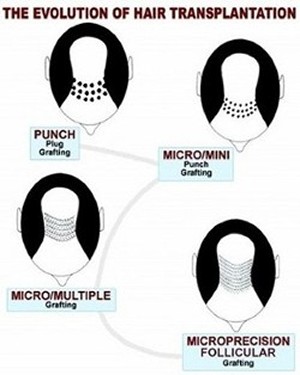 Prior to the surgery, you’ll meet with the doctor to finalize the details of your procedure. Hair transplantation has evolved significantly over the past 50 years, starting with the early “Punch” plug graft technique. This method gradually improved into the “Micro/Mini” punch graft, followed by the Micro/Multiple-Unit grafting and eventually the FUE technique. Today, the most advanced and natural method of hair transplantation has been perfected: Microprecision Follicular Grafting®.
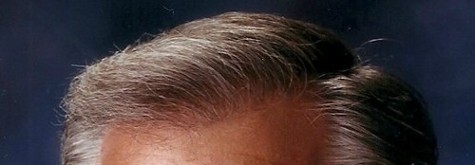
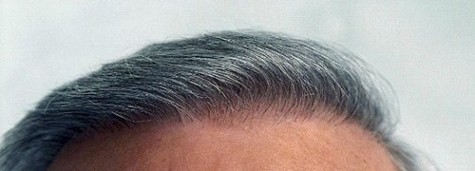
Microprecision Follicular Grafting® has become the gold standard in hair restoration, delivering results so natural that it sets the benchmark for other techniques. Unlike older techniques that could produce a “pluggy” appearance, this refined approach ensures your hairline looks completely natural and will remain so for life. When restoring your front hairline, the doctor carefully designs a guideline that accommodates natural recession and complements your facial features.
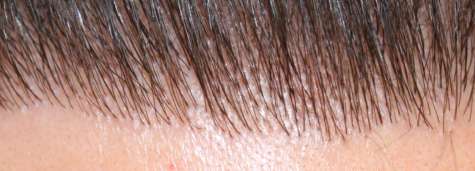
The process begins with the creation of a transitional zone about 1/4″ wide, consisting of single hair grafts at the very front of your hairline. Behind this, a secondary zone integrates two- and three-hair grafts to mimic the natural growth pattern of hair. Since hair on the top of the head naturally grows in follicular units of one to four hairs, this replication ensures a seamless, natural result.
Only a select few hair transplant practices worldwide possess the expertise to perform this technique at the highest level, and we are proud to be one of them. Our work, blending both art and science, has attracted numerous celebrities from Grammy-winning artists to Hollywood actors. You’ve likely seen our results on the big screen or TV, but because they’re so natural, you’d never suspect it was a hair transplant.
precision work
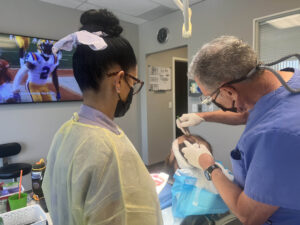 Our doctors are perfectionists. To achieve precision work, our surgical techs must also be perfectionists. It takes an experienced hair transplant specialist and a highly trained and experienced medical team to successfully perfect and perform this technique. All our surgical techs have over 15 years of experience and rank among the most skilled professionals in the world. This is important to achieve consistent quality work. Their attention to detail is shown in the results. We don’t just restore hair…we change lives
a specialized technique
The reality is that this Microprecision Follicular Grafting® technique is simply the most natural hair transplantation technique in the world. Hairline: The “single hair grafts” are used in the very front hairline otherwise referred to as the hairline transition zone, which is only approximately ¼” in width. Then follicular grafts containing two, three, and four hair grafts are integrated in behind the front transitional zone. Unlike some medical practices, our doctors NEVER dissect existing follicular groupings into single hair grafts to increase the number of grafts and ultimately your investment. ALL-natural follicular groupings are simply relocated from areas of greater density into areas of lesser density where you would prefer to have more hair. The artistry and skill of our surgeons will allow them to re-create a replicated design of a totally natural looking front hairline.
frontal hair transplantation
While performing hair transplantation in the frontal area, our surgeons and their surgical teams will implant staggered single hair follicles and then integrate hair follicles containing two to four hair grafts. In the crown area, the doctor and his team will implant hair follicles containing two, three, and four hair grafts to produce the maximum density.
Some medical practices claim “larger” grafts will produce more density in the frontal area. What they don’t tell you is that although the density may appear natural from afar, upon close inspection under elements of wind, rain, or wet hair, your hair would separate, and the “clumpy” nature of the grafts would be apparent and appear very unnatural. Our surgeons believe “naturalness is key”. Our surgeons only implant natural follicular groupings and would rather increase one’s density through using additional grafts if necessary. That way your hair always looks natural and not “clumpy”.
frequently asked questions
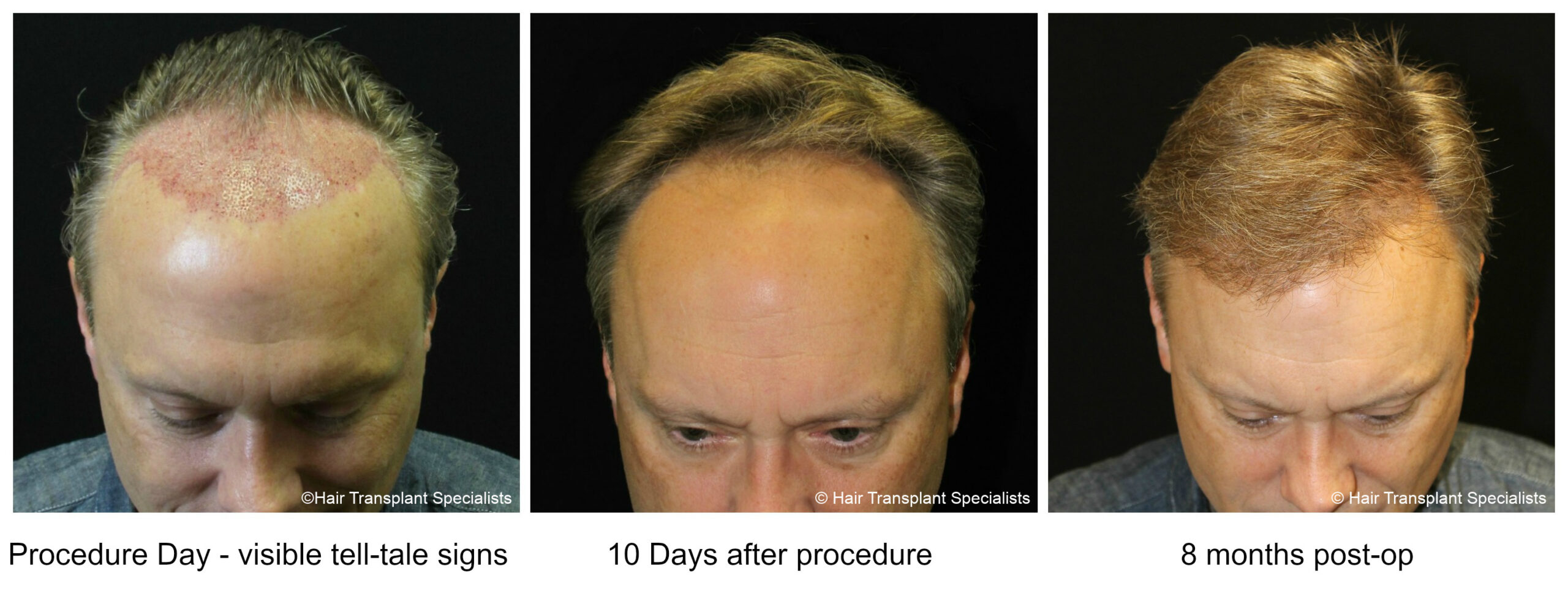
Post operatively, there are some obvious tele-tale signs for up to 10 days. Since many people are working from home during the Covid-19 pandemic, those tell-tale signs are less problematic. As a result, the demand for our services has increased. If we are working through existing hair the tell-tales signs are not as apparent.
*Individual results may vary