Low Light Laser Therapy Hair Loss FDA: Cleared vs. Approved—The Critical Distinction Patients Miss
Introduction: The Two Words That Change Everything
A patient researches low-level laser therapy devices for hair loss online. One product page says “FDA-approved.” Another claims “FDA-cleared.” A health article uses both terms interchangeably. Most consumers assume these phrases mean the same thing—a reasonable assumption that happens to be completely wrong.
This confusion represents more than a semantic issue. These two terms describe fundamentally different regulatory pathways, and conflating them gives patients a falsely inflated sense of how rigorously any given device has been vetted. When it comes to low light laser therapy hair loss FDA status, the regulatory picture is considerably more nuanced than most marketing materials admit.
This article explains exactly what FDA clearance does and does not guarantee, what clinical evidence actually supports LLLT for hair loss, and how to make a genuinely informed decision about whether this technology belongs in a treatment plan.
Hair Transplant Specialists believes patients deserve the full, nuanced picture—not marketing-friendly half-truths that obscure critical distinctions.
FDA-Cleared vs. FDA-Approved: A Distinction That Actually Matters
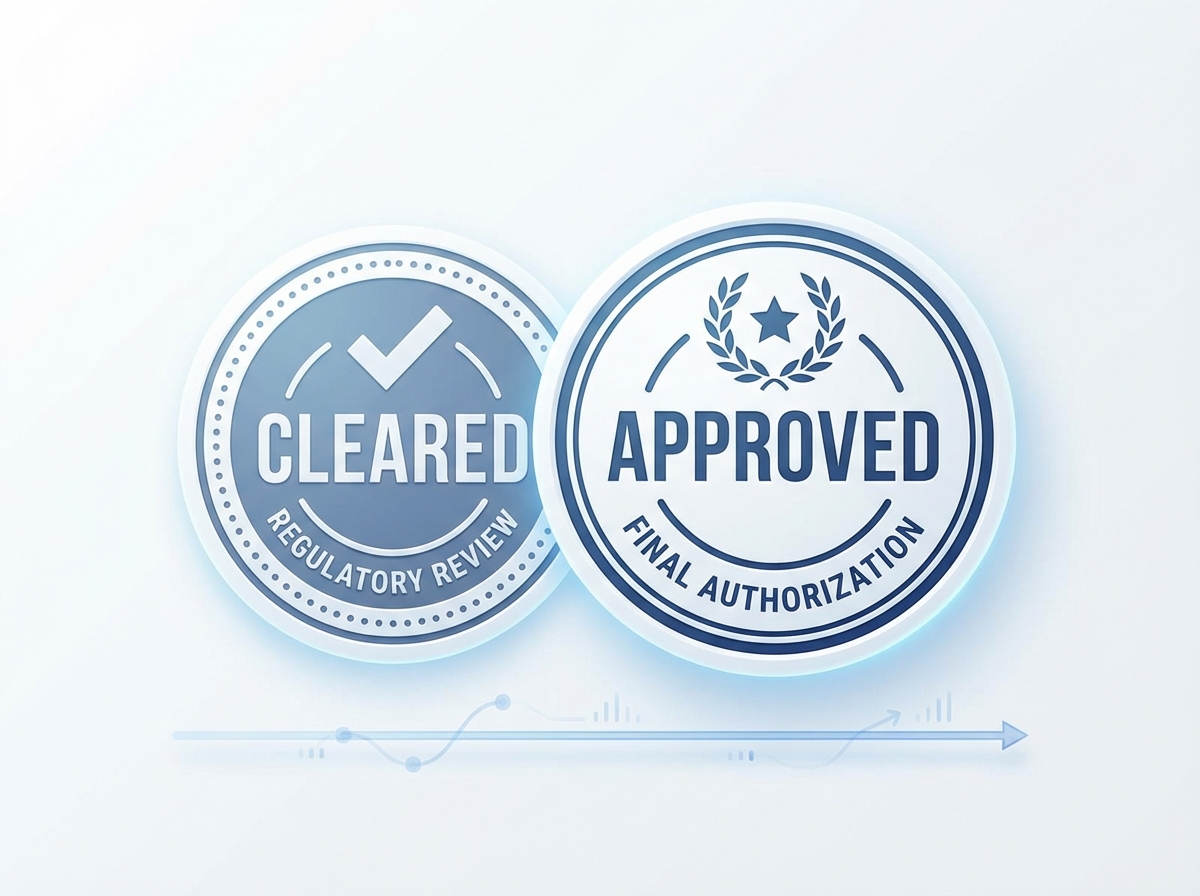
FDA approval refers to the Premarket Approval (PMA) pathway—the most rigorous FDA regulatory process. PMA requires manufacturers to submit independent clinical trials demonstrating both safety and efficacy. This pathway applies to high-risk medical devices and most pharmaceutical drugs.
FDA clearance operates through an entirely separate pathway called the 510(k) Premarket Notification process. To obtain 510(k) clearance, a manufacturer must demonstrate only that their new device is “substantially equivalent” to a legally marketed predicate device already on the market.
What 510(k) clearance does not require:
- Independent clinical trials proving the device works
- Head-to-head efficacy comparisons against existing treatments
- FDA review of actual performance data in the same manner PMA demands
What 510(k) clearance does provide:
- Confirmation that the device is not meaningfully different in intended use or technology from devices already permitted on the market
- Verification that the device meets basic safety standards
The critical fact most product marketing obscures: virtually all LLLT hair loss devices on the U.S. market are FDA-cleared, not FDA-approved.
The FDA categorizes these devices under product code “OAP” (laser, comb, hair). Consumers can independently verify any device’s clearance status by searching the FDA’s 510(k) database at accessdata.fda.gov.
A Brief History of LLLT Clearance for Hair Loss
The story of LLLT for hair growth begins with an accident. In 1967, Hungarian scientist Endre Mester observed accelerated hair regrowth in mice he had irradiated with a ruby laser during cancer research. This serendipitous discovery launched an entire field of investigation.
The formal adoption of “Photobiomodulation (PBM)” as an official Medical Subject Heading (MeSH) term by the National Library of Medicine in 2015 catalyzed a significant increase in published research, lending scientific legitimacy to what had been a fragmented area of study.
The regulatory milestone came in 2007 when the HairMax LaserComb received the first FDA 510(k) clearance for an LLLT hair loss device, specifically for male pattern hair loss (androgenetic alopecia). A second clearance followed in 2011, covering female pattern hair loss.
As of 2020, 32 home-use LLLT devices had received FDA clearance. Current estimates place approximately 29 FDA-cleared devices in the active U.S. market as of 2026. HairMax holds 8 FDA clearances—more than any other single brand—alongside other major cleared brands including Capillus, iRestore, iGrow, Kiierr, and Illumiflow.
This growth reflects broader market trends: the global hair loss treatment market was valued at USD 12.53 billion in 2024 and is projected to reach USD 20.43 billion by 2033, with LLLT devices among the fastest-growing segments.
How LLLT Actually Works: The Science of Photobiomodulation
The primary proposed mechanism centers on mitochondrial stimulation. LLLT photons are absorbed by cytochrome c oxidase (CCO) in mitochondria, triggering a cascade that increases ATP production, modulates reactive oxygen species, releases nitric oxide, and activates transcription factors promoting cellular activity.
For hair follicles specifically, this translates to:
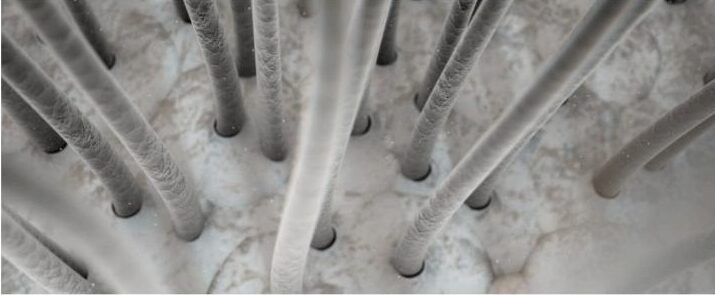
- Stimulation of anagen (growth phase) re-entry in follicles that have shifted into telogen (resting) phase
- Prolongation of anagen phase duration
- Increased proliferation in active follicles
- Prevention of premature catagen (regression phase) onset
Most FDA-cleared LLLT devices operate in the red-to-near-infrared range of 620–678 nm, with some using near-infrared wavelengths up to 950 nm. The most studied and clinically supported wavelengths are 650–660 nm and 830 nm.
The laser versus LED debate remains relevant: laser diode devices produce coherent, monochromatic light and have the most robust clinical data, while LED-based devices are less expensive and do not require laser safety precautions. Clinical evidence for LED-only devices remains less robust, though some research suggests comparable efficacy via the same photobiomodulation pathway.
The Biphasic Dose Response: Why More Laser Power Can Actually Hurt Results
One of the most underreported phenomena in LLLT is the biphasic dose response, also called the Arndt-Schulz curve. This well-documented principle demonstrates that low-to-moderate doses of light energy produce biostimulation (the desired effect), while doses that are too high can cause inhibition, cellular stress, or suppression of the very processes LLLT is meant to activate.
The practical implication is counterintuitive: a device with more laser diodes or higher power output is not automatically more effective—and may actually produce worse results if it delivers energy above the therapeutic threshold.
Excessive LLLT energy can disrupt Wnt/β-catenin and ERK signaling pathways critical for hair follicle cycling, potentially counteracting the intended anagen-promoting effect.
This creates a significant consumer marketing problem. Many LLLT advertisements emphasize diode count as a proxy for quality (“272 diodes vs. 51 diodes”) without disclosing that irradiance, wavelength, and treatment duration—not diode count alone—determine whether a device delivers a therapeutic or inhibitory dose.
The International Society of Hair Restoration Surgery explicitly identifies the biphasic dose response as a key unanswered question and consumer safety consideration in LLLT device selection.
What the Clinical Evidence Actually Shows
The evidence base for LLLT is growing and genuinely promising, but it carries important nuances and limitations that most marketing materials omit.
A 2021 systematic review and meta-analysis of 7 randomized controlled trials examining FDA-cleared home-use LLLT devices found statistically significant improvement in hair density compared to sham devices across both comb-type and helmet-type devices—a meaningful positive finding.
A 2025 systematic review in the Journal of Cosmetic Dermatology confirmed LLLT improves hair density and follicular responsiveness in androgenetic alopecia, noting enhanced outcomes when combined with minoxidil or finasteride in certain patient populations.
Perhaps most notably, a 2024 randomized controlled trial comparing LLLT (633 nm, three times weekly, 10 minutes per session, over 6 months) to topical 5% minoxidil in male AGA patients found no statistically significant difference in hair density outcomes between the two groups at 3 and 6 months—suggesting LLLT may offer comparable standalone efficacy to a first-line pharmaceutical treatment.
A key limitation: dosing schedules across published studies vary by up to two orders of magnitude in irradiance, making direct device-to-device comparisons extremely difficult.
The Finding Almost No One Is Talking About: LLLT Ranks #1 for Female AGA
A 2022 network meta-analysis produced a striking finding: among all non-surgical treatment options evaluated for female androgenetic alopecia, LLLT ranked first in efficacy. This result is almost entirely absent from mainstream consumer content.
This matters significantly for women. Female AGA is often undertreated and underrepresented in hair loss research. The fact that LLLT leads the non-surgical evidence base for women is a clinically significant data point deserving far more attention.
Most consumer-facing content positions LLLT as a secondary or adjunct treatment, particularly for women—a framing this network meta-analysis data directly contradicts.
Patient selection criteria define who benefits most: women in the Ludwig-Savin I-2 to II-2 range (mild to moderate diffuse thinning) and men in the Norwood-Hamilton IIa–V range show the strongest response. LLLT is ineffective for completely bald areas where follicles have been permanently lost.
The 2025 Combination Therapy Finding That Challenges Common Marketing Claims
A 2025 meta-analysis reported by Dermatology Times analyzed 4 RCTs involving 188 participants and found no statistically significant difference in hair regrowth or shaft caliber between minoxidil alone and minoxidil combined with LLLT. This directly challenges the widespread marketing claim that combining these treatments produces superior results.
However, some individual RCTs have found combination LLLT plus minoxidil superior to either monotherapy, particularly for female pattern hair loss, suggesting patient-specific factors—including hair loss type, severity, and baseline follicular health—may determine whether synergy occurs.
The honest answer is that combination therapy may benefit some patients and not others. Any clinic or device brand claiming universal synergy is overstating the evidence. This is precisely the kind of nuanced, evidence-based guidance that distinguishes a trustworthy clinical partner from a marketing-driven product seller—an approach Hair Transplant Specialists takes seriously.
Device Types, Treatment Protocols, and What to Realistically Expect
Four main FDA-cleared LLLT device categories exist:
- Stationary hoods/overhead panels for clinical use
- Handheld laser combs/brushes
- Headbands
- Wearable caps/helmets (offering hands-free, full-scalp coverage)
Standard treatment protocols from clinical trials range from 8–25 minutes per session, 2–3 times per week, for 16–26 weeks. Some protocols recommend every-other-day use for 25 minutes over 16 weeks.
Realistic expectations:
- LLLT works best for mild-to-moderate pattern hair loss
- It cannot restore hair where follicles have been permanently lost
- Results require consistent long-term use
- Benefits are not permanent if treatment is discontinued
Some patients experience temporary telogen effluvium (increased shedding) in the first 1–2 months—a normal physiological response as follicles transition phases, not worsening hair loss. This resolves with continued use but is a common reason for premature discontinuation.
FDA-cleared home-use devices range from approximately $200 to $3,000 depending on device type, diode count, and brand.
Safety, Contraindications, and Who Should Not Use LLLT
LLLT is well-tolerated with minimal adverse effects in published clinical trials. The most common reported side effect is the temporary telogen effluvium described above.
Primary contraindication: LLLT should not be used on scalp areas with dysplastic or malignant lesions, as photobiomodulation’s proliferative cellular effects could theoretically stimulate abnormal cell growth.
Additional caution applies to patients with photosensitivity disorders, those taking photosensitizing medications, and patients with active scalp infections or open wounds.
Without proper diagnosis of hair loss type, patients may use LLLT for conditions where the evidence base is still emerging and professional oversight is important. A board-certified hair restoration specialist can assess hair loss type, severity, and underlying causes to determine whether LLLT is appropriate.
How to Verify an LLLT Device’s FDA Clearance Status
Consumers can independently verify FDA clearance claims using the FDA’s publicly accessible 510(k) Premarket Notification Medical Database at accessdata.fda.gov.
Searching the FDA product code “OAP” returns all FDA-cleared home-use LLLT devices for hair growth, allowing consumers to confirm whether a specific device has genuine clearance.
Red flags in marketing language: Terms like “FDA-approved,” “clinically proven,” or “medically certified” without a specific 510(k) number should prompt further verification.
Taking 10 minutes to verify a device’s regulatory status before spending hundreds or thousands of dollars is a reasonable and worthwhile step.
Key Unanswered Questions: What Science Still Doesn’t Know
Acknowledging the limits of current evidence separates credible clinical guidance from marketing copy.
Major unanswered questions as of 2026 include:
- Optimal wavelength for hair follicle stimulation
- Whether laser coherence (laser diodes vs. LEDs) meaningfully affects efficacy
- Ideal fluence and irradiance parameters
- Optimal treatment frequency and session duration
- Long-term maintenance protocols after initial response
- Whether effects are sustained after treatment cessation
Published LLLT studies vary by up to two orders of magnitude in irradiance, making direct device comparisons impossible and undermining universal dosing guidelines.
The field is advancing rapidly, and the 2026 evidence base is meaningfully stronger than it was five years ago—but patients should be appropriately skeptical of any source presenting LLLT as fully solved science.
Conclusion: Informed Patients Make Better Decisions
FDA-cleared and FDA-approved are not the same thing. The 510(k) clearance confirms substantial equivalence to a predicate device, not independently proven efficacy—and patients deserve to understand this before making purchasing decisions.
LLLT has genuine, peer-reviewed clinical support, including a 2021 meta-analysis showing significant improvement over sham devices, a 2022 network meta-analysis ranking it first for female AGA, and a 2024 RCT showing comparable efficacy to topical minoxidil. It also has real limitations, contraindications, and unanswered questions.
More power and more diodes do not automatically mean better results. Choosing a device based on marketing claims rather than clinical evidence and proper dosing parameters is a common and avoidable mistake.
LLLT is a legitimate and evolving tool in the hair restoration toolkit, best used as part of a personalized, professionally guided treatment plan rather than as a standalone consumer product purchased on the strength of regulatory language most patients have never been taught to interpret.
Ready to Get a Complete, Honest Assessment of Your Hair Loss Options?
Hair Transplant Specialists’ team, including Dr. Sharon Keene (former ISHRS President and Platinum Follicle Award recipient), brings the clinical expertise and intellectual honesty to evaluate whether LLLT, combination therapy, surgical restoration, or another approach is genuinely right for each individual patient.
Hair loss type, severity (Norwood-Hamilton or Ludwig-Savin staging), underlying causes, and patient goals all determine which treatments are appropriate—a determination that cannot be made by a product website or a general article.
Schedule a consultation at Hair Transplant Specialists’ Eagan, Minnesota location (2121 Cliff Dr. Suite 210) by calling (651) 393-5399 or visiting INeedMoreHair.com. A consultation offers the opportunity to ask the same hard questions this article raised and to receive answers grounded in evidence, not marketing.
Hair Transplant Specialists offers both surgical (FUE, FUT) and non-surgical (LLLT, minoxidil, finasteride, PRP, Alma TED, exosomes) options, ensuring treatment recommendations are driven by patient need rather than by what any single clinic happens to offer.